Themes
Change, Impacts and Pressures
Gathering evidence for the causes (driving pressures) and consequences (impacts) of changes in ecosystems and environments using Earth observation and other spatial datasets.
Read the framework paperExplore the Global Change Framework
To describe change, Living Earth has developed a globally applicable Evidence Based Change Framework and Global Change Taxonomy, which was designed for global application and builds on the Driver-Pressure-State-Impacts-Response (DPSIR) framework. The taxonomy lists 77 impact and 144 pressure classes that, when combined, give 248 ‘impact (pressure)’ classes, each of which can be evidenced by accumulating and comparing changes in states (i.e., the Environmental Descriptors used to construct and further attribute the land cover categories). The Evidence-Based Change Framework provides a basis for collating the evidence for both change impacts and pressures, with these obtained spatially and over time from Earth observation data but also a range of other spatial and, in some cases, non-spatial datasets. Time is included as a contributory descriptor relevant for differentiating short-term natural events or human activities (e.g., vegetation amount loss as a consequence of bushfires or deforestation) or longer-term natural process (e.g., vegetation gain through growth). Furthermore, the contributory evidence can be supported by estimates in the uncertainty of retrieval or classification of continuous or categorical environmental descriptors respectively.
Browse Impacts
| Impact | Pressures that can cause it (click to show) |
|---|---|
|
Crop change in cultivated lands
 Replacement of one crop type by another.
|
Crop rotation — Alternating between types of crops on a seasonal basis in the same area to limit soil degradation and to help control weeds, diseases and pests.
|
|
Crop damage
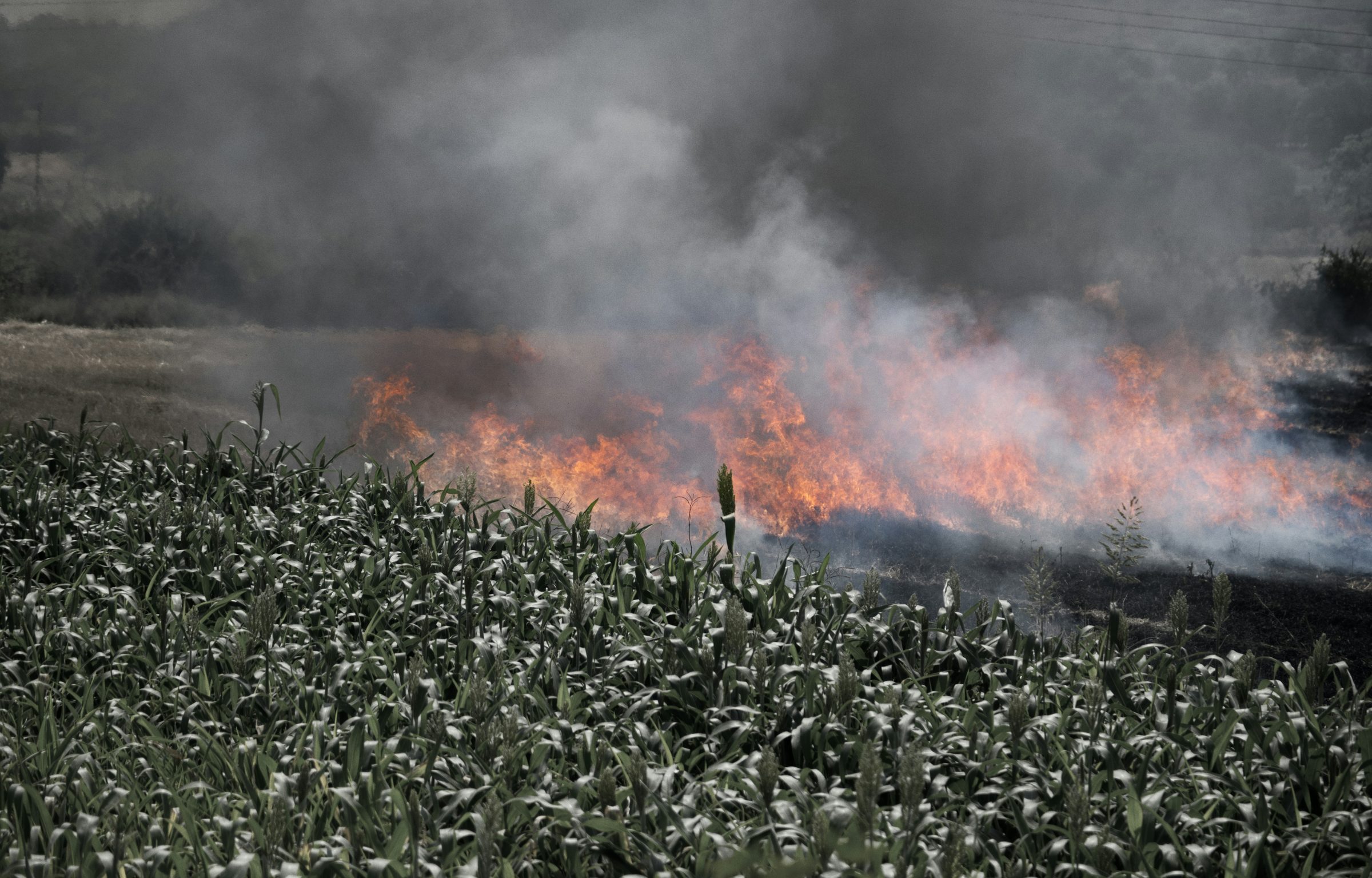 Loss of or harm to crops during or following a disturbance.
|
Drought — Areas considered to be suffering from a serious or severe rainfall deficiency.
Excess precipitation — Above-normal increase in the amount of rain or snowfall.
Excess rain — Heavy rainfall associated with the passage of a storm or tropical cyclone than can produce extensive flooding.
Flooding — The inundation of water over land that is generally dry.
Grazing (natural) — Repetitive consumption of herbaceous or woody vegetation by herbivores/omnivores.
Grazing (stock) — Repetitive consumption of herbaceous or woody vegetation by domesticated herbivores/omnivores.
Increased wind — A higher velocity of air movement into an area associated with, for example, cyclones, hurricanes, typhoons, tornados, thunderstorms, storms or ice storms.
Insect herbivory — Increased presence of plant-consuming insects in an area.
Strong winds — A prolonged period of average wind speeds exceeding 40km/h during the day.
|
|
Crop establishment
 Planting of crops in an area on ploughed land.
|
Planting — Placement of seeds, seedlings or saplings into the ground so they can grow, leading to an increase in vegetation amount or a change in plant species composition.
|
|
Cropland gain
 Increase of total cropping area or total area sown.
|
Agricultural expansion — Increase in area of arable lands and pasture used for food production.
Farmland creation — Conversion of land to commercial, subsistence, intensive or extensive farming.
|
|
Cropland loss
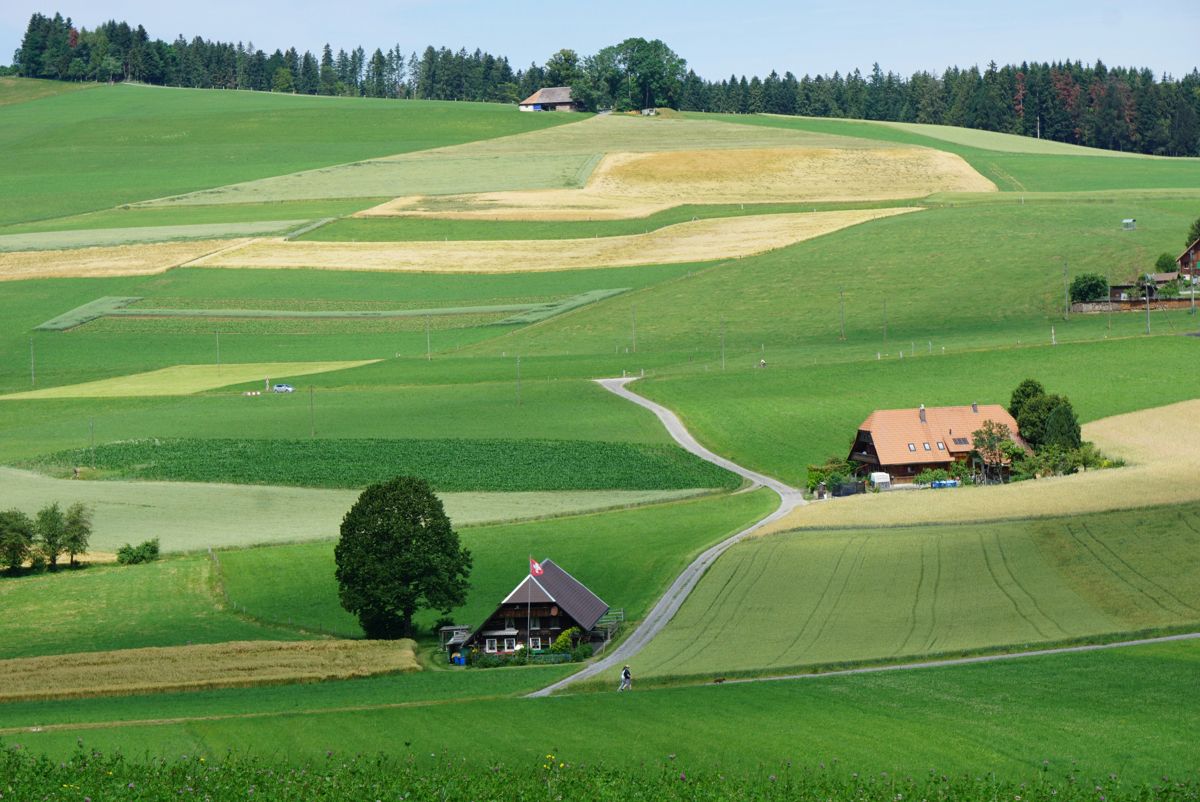 Decrease of total cropping area or total area sown.
|
Agricultural loss — Decrease in area of arable lands and pasture used for food production.
Animal stock change — A change in the type of animal(s) obtaining food from an area.
Fallowing — A farming technique whereby a field is left unoccupied by crops during an entire growing period or part of it to raise soil fertility, accumulate moisture in the soil, increase the yield of all crops in a rotation and improve the quality of agricultural products.
Farmland abandonment — The cessation of agricultural activities on a given surface of land.
Idle or fallow in rotation — A crop sequence that includes idle, diverted, or fallowed land in 1 or more of the previous years.
|
| Impact | Pressures that can cause it (click to show) |
|---|---|
|
Algal bloom
 A sudden proliferation of algae (microscopic plants) that occurs near the surface of a body of water. Blooms can occur due to natural nutrient cycles, or can be in response to eutrophication or climate variations.
|
Eutrophication — A natural process that results from accumulation of nutrients in lakes or other bodies of water.
High inland water temperatures — Water temperatures of rivers, lakes, floodplains, reservoirs, wetlands, and inland saline systems that are warmer than usual, often based on the recent average.
Increased temperature — Increased amount of heat in a place.
|
|
Algal dieback
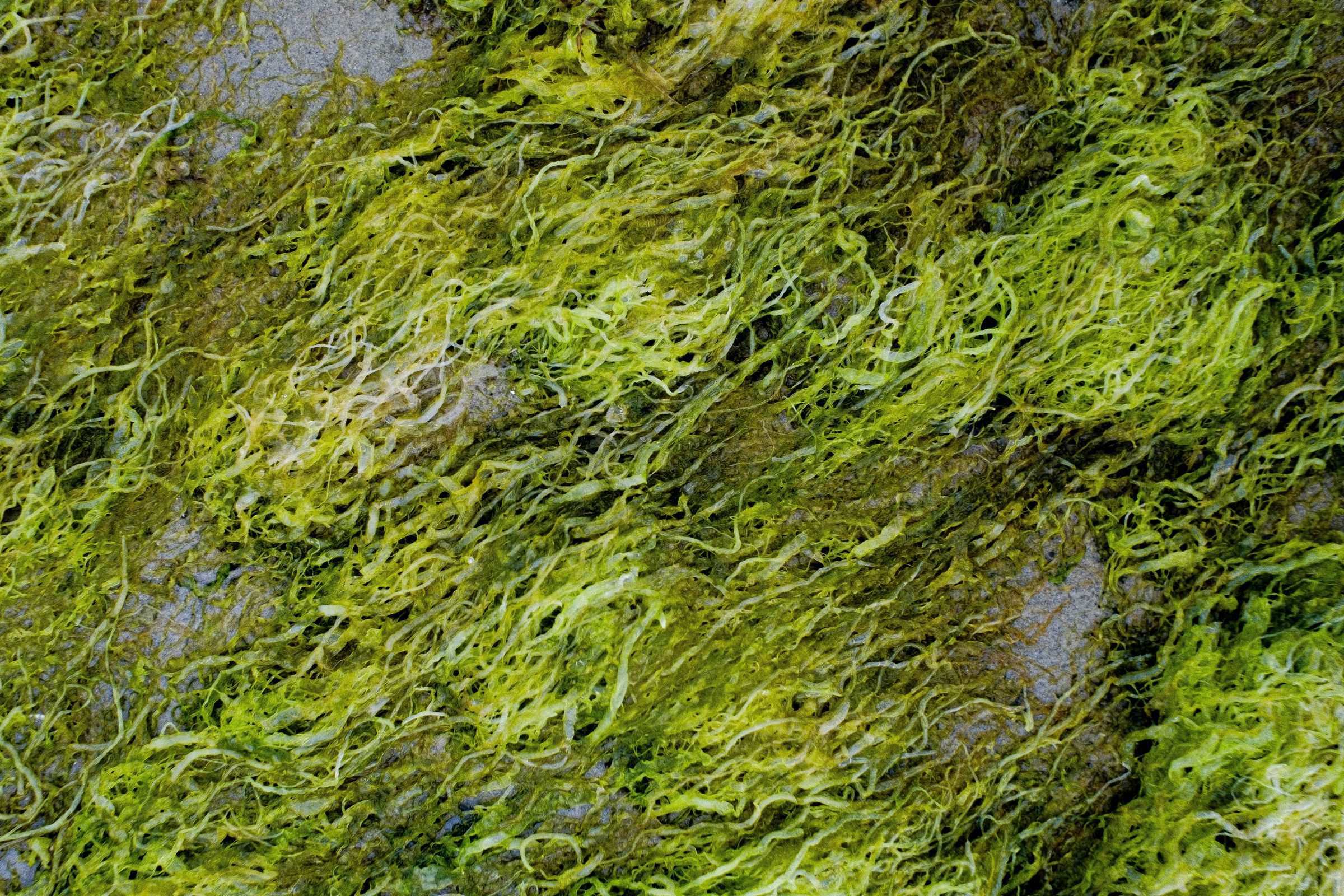 Loss of algae (microscopic plants) that occurs near the surface of a body of water.
|
Decreased temperature — Decreased amount of heat in a place.
|
|
Browning (of vegetation)
 A decrease in the amount or loss of photosynthetically active pigments (primarily chlorophylls) in vegetation.
|
Decreased precipitation — Decreased condensation of water vapor in the atmosphere forming rain, snow, sleet or dew.
|
|
Greening
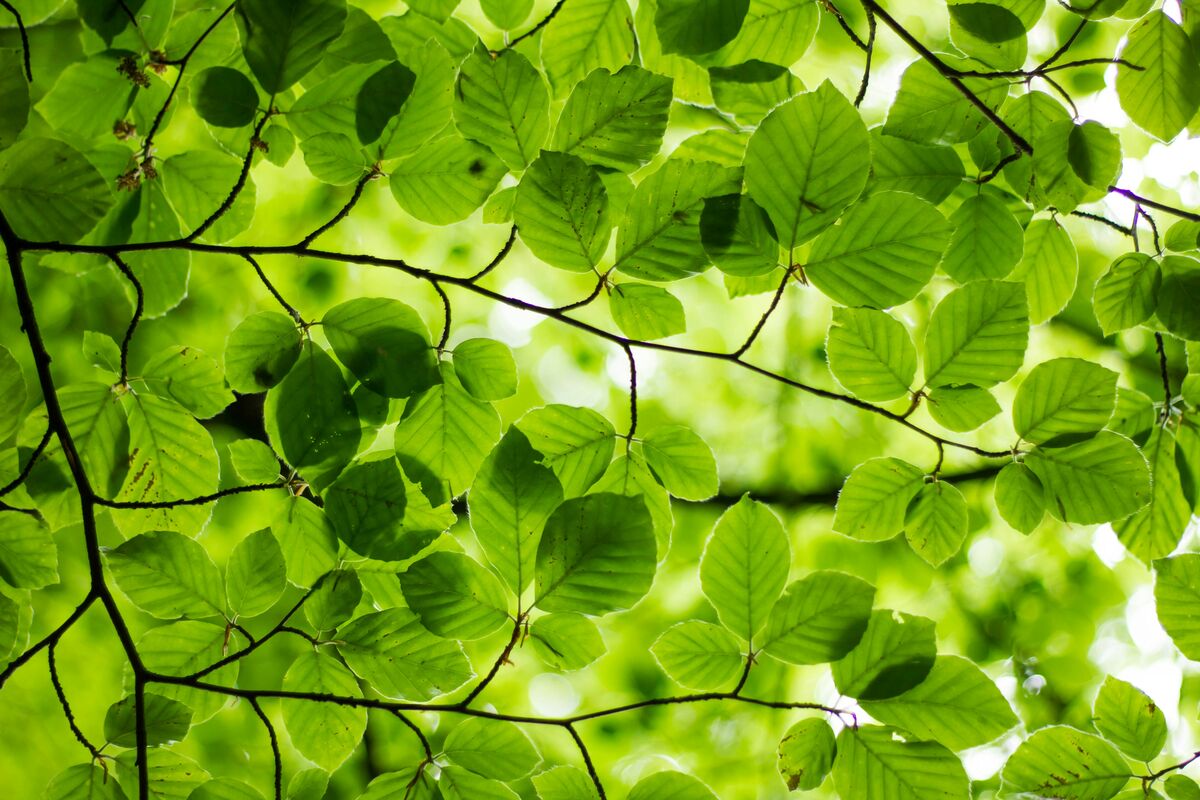 An increase in the amount of photosynthetically active pigments (primarily chlorophylls) in vegetation.
|
Increased precipitation — Increased condensation of water vapour in the atmosphere forming rain, snow, sleet or dew.
|
|
Invasive or exotic species
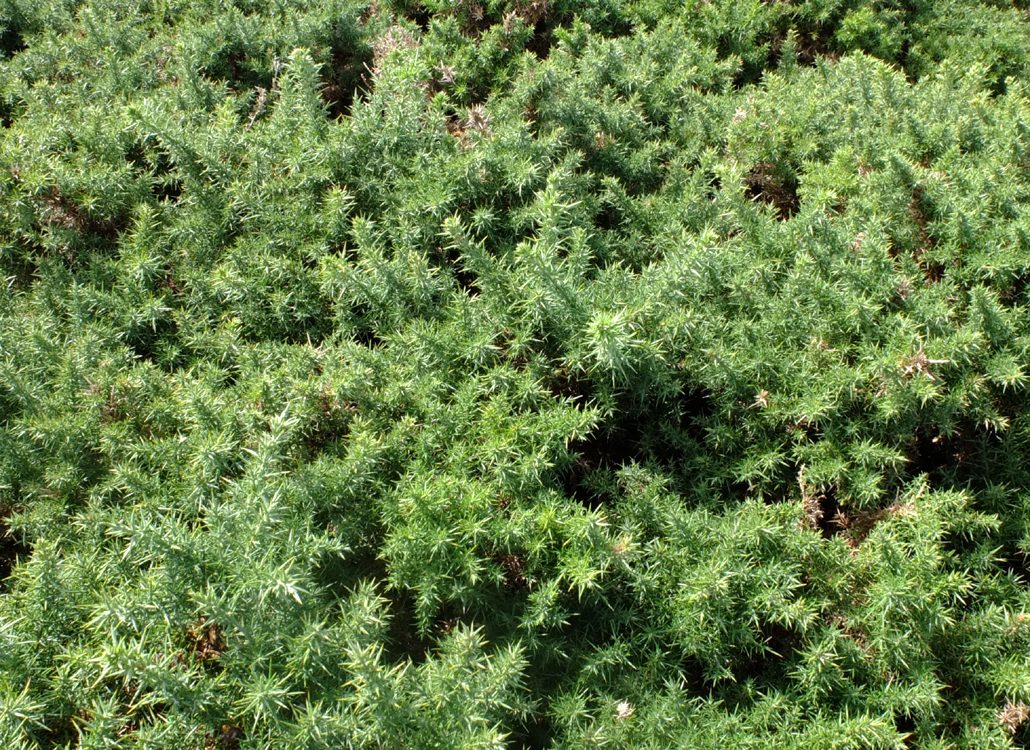 A plant or animal that has been introduced into a region (terrestrial or aquatic) in which it does not naturally occur and that becomes established and spreads, displacing naturally occurring species.
|
— |
|
Leaf scorch
 A non-infectious, physiological condition caused by unfavorable environmental situations. It is not caused by fungus, bacteria, or virus. The problem may appear on almost any plant if weather conditions are favourable, such as high temperatures, dry winds, salt carrying winds and low soil moisture.
|
Strong winds — A prolonged period of average wind speeds exceeding 40km/h during the day.
|
|
Phenological change
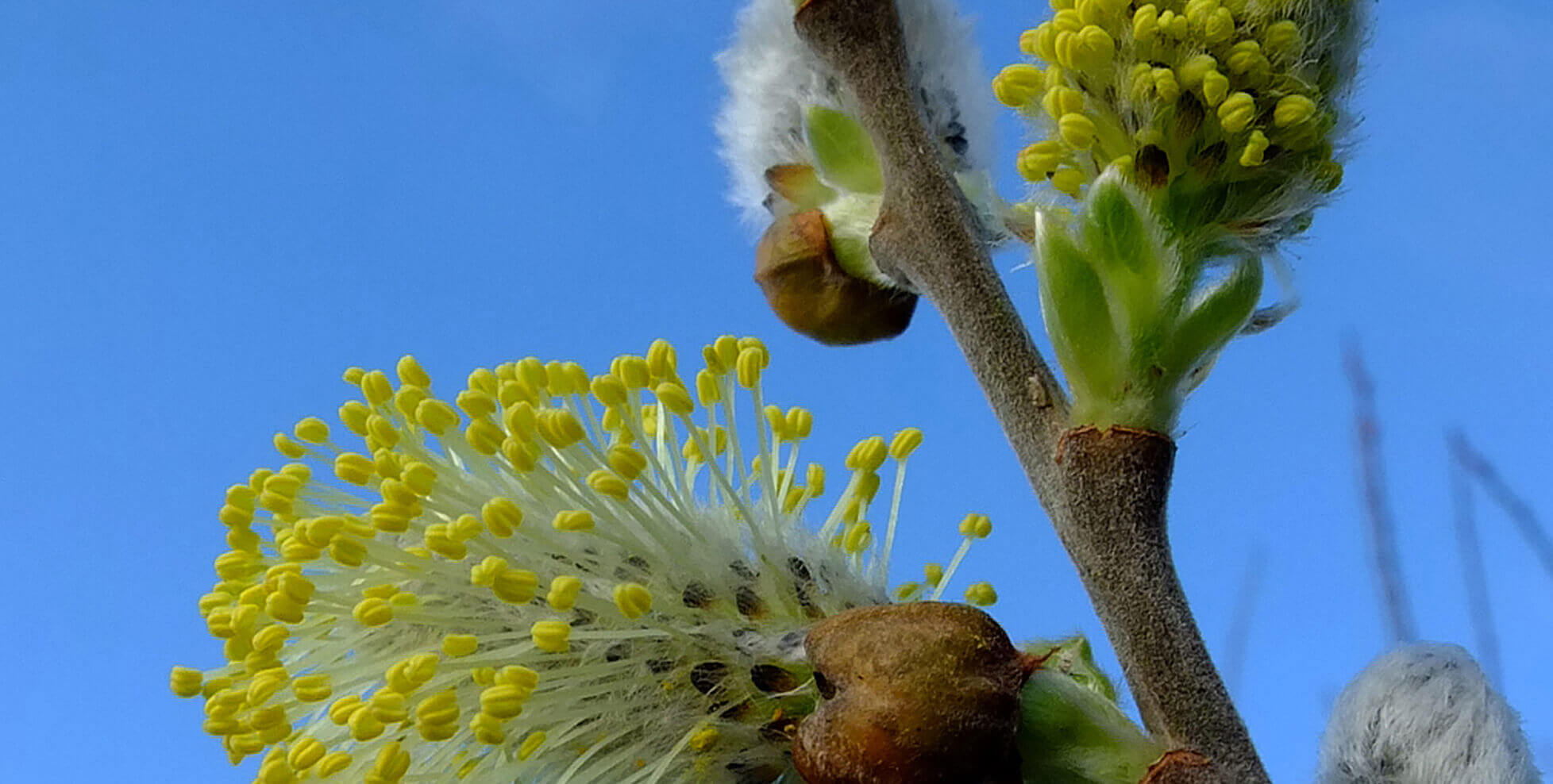 Alteration in the timing of natural lifecycle events.
|
Natural diurnal and seasonal cycles — Changes in day length or temperatures over a year.
|
|
Vegetation damage
 Physical harm that impairs the value, usefulness, or normal function of plants or plant communities.
|
Bushfire — Grass fires, forest fires and/or scrub fires started naturally (such as by lightning), accidentally, or deliberately (such as by arson), but not in accordance with planned fire management prescriptions. Also called wildfire or unplanned fire.
Excess precipitation — Above-normal increase in the amount of rain or snowfall.
Excess rain — Heavy rainfall associated with the passage of a storm or tropical cyclone than can produce extensive flooding.
Flooding — The inundation of water over land that is generally dry.
Frost — Deposit of soft white ice crystals or frozen dew drops on objects near the ground; formed when surface temperature falls below freezing point.
Increased wind — A higher velocity of air movement into an area associated with, for example, cyclones, hurricanes, typhoons, tornados, thunderstorms, storms or ice storms.
Mechanical intervention — Use of machines (e.g., to remove or alter vegetation)
Prescribed burn — The process of planning and applying fire to a predetermined area, under specific environmental conditions, to achieve a desired outcome.
Prolonged snow cover — Cumulative gain of snow cover over extended periods.
Severe thunderstorm — A rain-bearing cloud that also produces lightning and hail one inch or larger in diameter and/or winds equal or exceed 58 miles an hour.
Strong winds — A prolonged period of average wind speeds exceeding 40km/h during the day.
|
|
Vegetation dieback
 Mortality of all or part of plant components, either singularly or en masse.
|
Anchoring — Securing a boat firmly to the seabed using an anchor.
Cold snap — Below-average temperature of the land surface, inland waters or oceans.
Drought — Areas considered to be suffering from a serious or severe rainfall deficiency.
Heatwave — Above-average temperature of the land surface, inland waters or oceans.
Increased wind — A higher velocity of air movement into an area associated with, for example, cyclones, hurricanes, typhoons, tornados, thunderstorms, storms or ice storms.
Non-insect herbivory (natural) — The feeding on living plant parts by animals excluding insects.
Pathogens — Any small organism, such as a virus or a bacterium, that can cause disease.
Pollution — Introduction of harmful materials known as pollutants into the environment. Pollutants can be natural, such as volcanic ash. They can also be created by human activity, such as trash or runoff from industrial sources (e.g., factories, farms, etc.) and contaminated with substances including fertilizers and pesticides/herbicides. Pollutants damage the quality of air, water, and land.
Prolonged inundation — Cumulative influx of water and increase in water depth for long periods over an area that previously supported no water.
Prolonged snow cover — Cumulative gain of snow cover over extended periods.
Sea level fluctuation — Irregular rise and fall of sea level.
Soil salinisation — The accumulation of soluble mineral salts near the surface of soil, usually caused by the capillary flow of water from saline ground water.
Water salinisation — An increase in the concentration of dissolved salts in water or soil water. Salinity may be expressed in terms of a concentration or as an electrical conductivity. When describing salinity influenced by seawater, salinity often refers to the concentration of chlorides in the water.
|
|
Vegetation gain (amount)
 Expansion of whole plant communities into an area. This includes native vegetation.
|
Afforestation — Establishment of forest through planting and/or deliberate seeding on land that, until then, was under a different land use. Implies a transformation of land use from non-forest to forest.
Bushfire recovery — Regrowth after a wildfire, whether natural or intentional (e.g., for conservation purposes) resulting in an increase in the biomass or health of vegetation.
Ecological restoration — The process of assisting the recovery of an ecosystem that has been degraded, damaged or destroyed including through mechanical habitat rejuvenation.
Encroachment — Increase in woody plant density or extent so that the natural equilibrium of woody plant layer (trees and shrubs) and herbaceous (grass and forb) layer densities is shifted towards woody species.
Farmland abandonment — The cessation of agricultural activities on a given surface of land.
Fertilizer application — Enrichment of soils to increase productivity or health of vegetation.
Growth — Increases in cell size and number that take place during the life history of an organism.
Reduction or cessation of grazing — Reduction or cessation of repetitive consumption of herbaceous or woody vegetation by herbivores/omnivores.
Regrowth — Natural increase in the number and size of plants over an area that previously supported vegetation that had been cleared or degraded.
Removal of herbivores — Grazing (by stock) at a level where there is evidence of the annual growth not being fully utilised or scrub or coarse vegetation is becoming evident and such changes are detrimental to the environmental interest of the site.
Revegetation — The re-establishment of vegetation (excluding forests) in areas that have been cleared or highly modified. The mix of plant species may not be the same as that of the original vegetation.
Thinning — Removal or death of plants or parts of plants to decrease plant density in a stand and facilitate growth of remaining plants.
Urban greening — Increase in the area of vegetation in urban settings by establishing parks and urban farms and by planting trees and other forms of vegetation.
Vegetation thickening — Increasing shrub and tree density on grazed rangelands, woodlands and forests that may or may not have supported such woody plant populations in the past.
|
|
Vegetation gain (extent)
 An increase in the area occupied by plants.
|
Afforestation — Establishment of forest through planting and/or deliberate seeding on land that, until then, was under a different land use. Implies a transformation of land use from non-forest to forest.
Colonisation — Occupation of a habitat or territory by a biological community or of an ecological niche by a single population of a species.
Ecological restoration — The process of assisting the recovery of an ecosystem that has been degraded, damaged or destroyed including through mechanical habitat rejuvenation.
Greenspace construction — Replacement of urban built spaces with vegetation.
Mine site rehabilitation — Design and construction of landforms as well as the establishment of sustainable ecosystems or alternative vegetation, depending upon desired post-operational land use.
Planting — Placement of seeds, seedlings or saplings into the ground so they can grow, leading to an increase in vegetation amount or a change in plant species composition.
Rehabilitation — The process of returning the land in a given area to some degree of its former state, after some process (industry, natural disasters etc.) has resulted in its damage.
Revegetation — The re-establishment of vegetation (excluding forests) in areas that have been cleared or highly modified. The mix of plant species may not be the same as that of the original vegetation.
Snowmelt — Water produced by the melting of snow.
|
|
Vegetation health deterioration
 Deterioration in the state or function of plants or plant communities.
|
Decreased nutrient supply in soil — Reduced availability of nutrients needed for plants to grow or maintain physiological function and potentially influencing vegetation composition. Soil is a major source of nutrients needed by plants for growth. The three main nutrients are nitrogen (N), phosphorus (P) and potassium (K).
|
|
Vegetation health improvement
 Improvement in the state or function of plants or plant communities.
|
Fertilizer application — Enrichment of soils to increase productivity or health of vegetation.
Increased nutrient supply in soil — Increased availability of soil nutrients needed for plants to grow or maintain physiological function and potentially influencing vegetation composition.
Irrigation — Artificial supply of water to crops, horticulture or pastures.
|
|
Vegetation loss (extent)
 Loss of vegetation communities from an area.
|
Bushfire — Grass fires, forest fires and/or scrub fires started naturally (such as by lightning), accidentally, or deliberately (such as by arson), but not in accordance with planned fire management prescriptions. Also called wildfire or unplanned fire.
Deforestation — The permanent clearance of a forest, usually rapidly by cutting or burning over a large area, without replanting or natural regeneration. Also known as forest clearance.
Drought — Areas considered to be suffering from a serious or severe rainfall deficiency.
Excess rain — Heavy rainfall associated with the passage of a storm or tropical cyclone than can produce extensive flooding.
Farmland abandonment — The cessation of agricultural activities on a given surface of land.
Flooding — The inundation of water over land that is generally dry.
Land reclamation — The restoration of productivity or use to lands that have been degraded by past human activities or have been impaired by natural phenomena.
Sea defence construction — Creation of infrastructure for the purpose of coastal protection.
Severe thunderstorm — A rain-bearing cloud that also produces lightning and hail one inch or larger in diameter and/or winds equal or exceed 58 miles an hour.
Strong winds — A prolonged period of average wind speeds exceeding 40km/h during the day.
Vegetation clearance — Removal of non-forest vegetation from an area to allow new land uses.
Wave action — Disturbance on the surface of a liquid body, as the sea or a lake, in the form of a moving ridge or swell that impacts on the structure of land elements.
|
|
Vegetation reduction (amount)
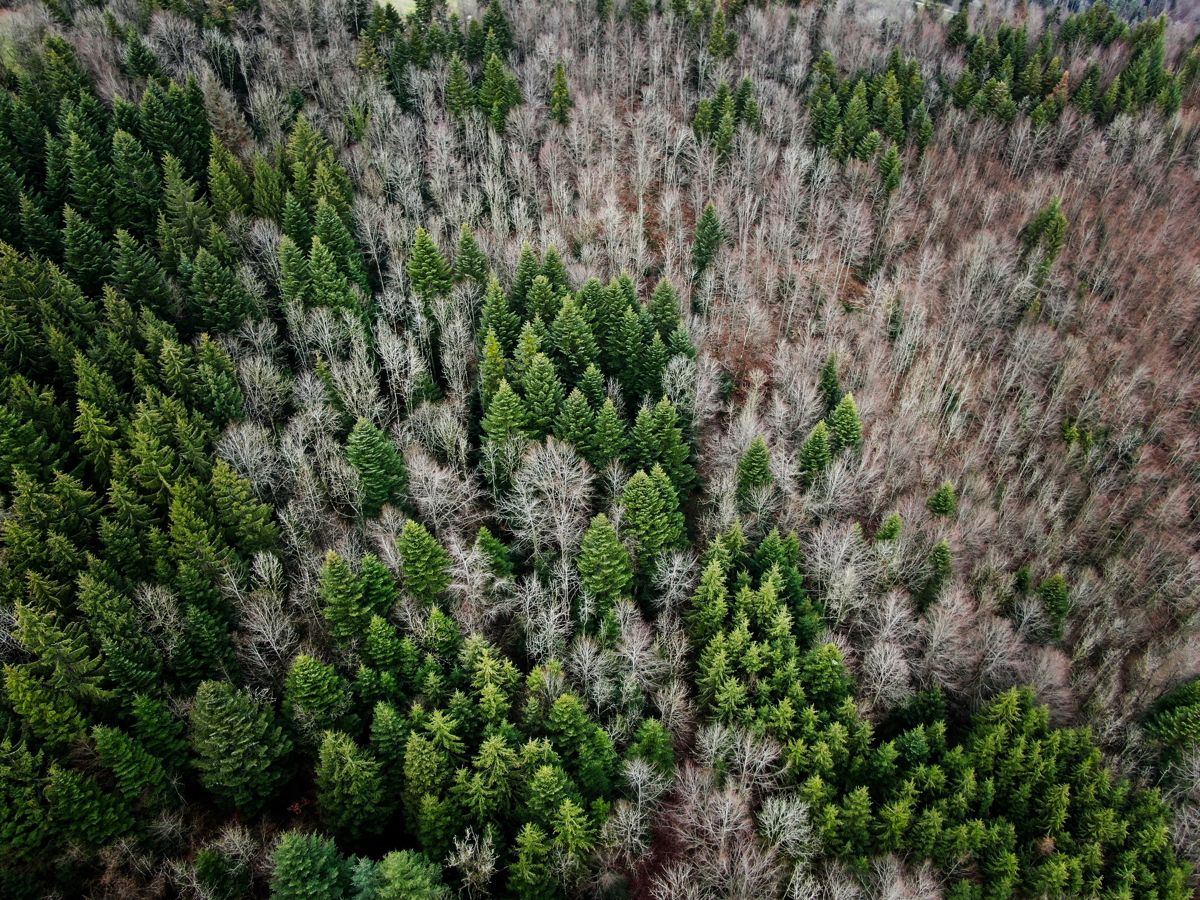 Reduction in the diversity, abundance and/or coverage of plants within an area.
|
Bushfire — Grass fires, forest fires and/or scrub fires started naturally (such as by lightning), accidentally, or deliberately (such as by arson), but not in accordance with planned fire management prescriptions. Also called wildfire or unplanned fire.
Coppicing — Area of closely planted trees that are cut back regularly to provide wood.
Decreased nutrient supply in soil — Reduced availability of nutrients needed for plants to grow or maintain physiological function and potentially influencing vegetation composition. Soil is a major source of nutrients needed by plants for growth. The three main nutrients are nitrogen (N), phosphorus (P) and potassium (K).
Farmland abandonment — The cessation of agricultural activities on a given surface of land.
Fuelwood collection — Extraction of wood for fuel by collecting dead wood or by harvesting trees or their branches.
Harvesting — Act of removing a crop from where it was growing and moving it to a more secure location for processing, consumption, or storage.
Insect herbivory — Increased presence of plant-consuming insects in an area.
Mowing — Cutting down (grass, crops, etc.) with a hand implement or machine.
Non-insect herbivory (natural) — The feeding on living plant parts by animals excluding insects.
Overgrazing (natural) — Excessive grazing by natural animal populations without sufficient rest, resulting in declines in the biomass or health of vegetation.
Overgrazing (stock) — Excessive grazing by domesticated stock without sufficient rest, resulting in declines in the biomass or health of vegetation.
Prescribed burn — The process of planning and applying fire to a predetermined area, under specific environmental conditions, to achieve a desired outcome.
Sedimentation — Deposition of sediment from flowing water (in channels or floodplains) or standing water (in wetlands, lakes, or oceans).
Selective logging — A type of (exploitation) cutting that removes only certain types of trees (a) above a certain size, (b) of high value, or (c) of specific size for specific purposes.
Stubble burn — An area with straw stubble that remains after grains (e.g., paddy, wheat) have been harvested and which has been intentionally set on fire.
Thinning — Removal or death of plants or parts of plants to decrease plant density in a stand and facilitate growth of remaining plants.
|
|
Vegetation reduction in understorey (amount)
 Reduction in the diversity, abundance and/or coverage of subcanopy plants within an area.
|
Grazing (natural) — Repetitive consumption of herbaceous or woody vegetation by herbivores/omnivores.
Grazing (stock) — Repetitive consumption of herbaceous or woody vegetation by domesticated herbivores/omnivores.
Non-insect herbivory (natural) — The feeding on living plant parts by animals excluding insects.
|
|
Vegetation species change
 Changes in the floristic and or structural composition of vegetation in an area.
|
Amenity development — Introduction of a positive element or elements that contribute to the overall character or enjoyment of an area. For example, open land, trees, historic buildings and the inter-relationship between them, or less tangible factors such as tranquillity.
Atmospheric deposition — The process whereby precipitation (rain, snow, fog), particles, aerosols, and gases move from the atmosphere to the Earth's surface.
Burning — On fire.
Control of invasive or exotic species — Management aimed at reducing or eliminating terrestrial or aquatic invasive flora and fauna species through activities such as weeding, applying pesticides or trapping.
Decreased acidity — A increase in the pH of water or soils across the range of alkaline (7-14), neutral (7) to acidic (0 to 7). Inversely related to alkalinity.
Decreased alkalinity — Reduced buffering capacity of a water body; a measure of the ability of the water body to neutralize acids and bases and thus maintain a fairly stable pH level.
Decreased nutrient supply in soil — Reduced availability of nutrients needed for plants to grow or maintain physiological function and potentially influencing vegetation composition. Soil is a major source of nutrients needed by plants for growth. The three main nutrients are nitrogen (N), phosphorus (P) and potassium (K).
Flooding — The inundation of water over land that is generally dry.
Grazing (natural) — Repetitive consumption of herbaceous or woody vegetation by herbivores/omnivores.
Grazing (stock) — Repetitive consumption of herbaceous or woody vegetation by domesticated herbivores/omnivores.
Increased acidity — A decrease in the pH of water or soils across the range of alkaline (7-14), neutral (7) to acidic (0 to 7). Inversely related to alkalinity.
Increased alkalinity — Enhanced buffering capacity of a water body; a measure of the ability of the water body to neutralize acids and bases and thus maintain a fairly stable pH level.
Increased nutrient supply in soil — Increased availability of soil nutrients needed for plants to grow or maintain physiological function and potentially influencing vegetation composition.
Invasive or exotic species — A plant or animal that has been introduced into a region (terrestrial or aquatic) in which it does not naturally occur and that becomes established and spreads, displacing naturally occurring species.
Overgrazing (natural) — Excessive grazing by natural animal populations without sufficient rest, resulting in declines in the biomass or health of vegetation.
Overgrazing (stock) — Excessive grazing by domesticated stock without sufficient rest, resulting in declines in the biomass or health of vegetation.
Pathogens — Any small organism, such as a virus or a bacterium, that can cause disease.
Pesticide application — Use of a substance that is intended to kill, repel or otherwise control any organism that is designated a 'pest', including weeds, insects, snails, rodents, fungi and bacteria. Includes herbicides, which is a pesticide that is used to kill plants, or to inhibit their growth or development. Also known as weedkillers.
Pollution — Introduction of harmful materials known as pollutants into the environment. Pollutants can be natural, such as volcanic ash. They can also be created by human activity, such as trash or runoff from industrial sources (e.g., factories, farms, etc.) and contaminated with substances including fertilizers and pesticides/herbicides. Pollutants damage the quality of air, water, and land.
Prolonged inundation — Cumulative influx of water and increase in water depth for long periods over an area that previously supported no water.
Succession — The natural, sequential change (stage) of species composition in an ecosystem in a given area.
Undergrazing (natural) — Grazing (natural) at a level where there is evidence of the annual growth not being fully utilised or scrub or coarse vegetation is becoming evident and such changes are detrimental to the environmental interest of the site.
Undergrazing (stock) — Grazing (by stock) at a level where there is evidence of the annual growth not being fully utilised or scrub or coarse vegetation is becoming evident and such changes are detrimental to the environmental interest of the site.
|
| Impact | Pressures that can cause it (click to show) |
|---|---|
|
Bare soil exposure
 Appearance of underlying soil following human or natural disturbance, such as removal of top soil prior to urban construction or grazing of natural vegetation.
|
Burning — On fire.
Erosion — Geological process in which earth materials are worn away and transported by natural forces such as wind or water.
Ploughing — Making furrows in land mechanically, by breaking and turning over the soil.
Tillage — Preparation of soil for agricultural use through mechanical intervention such as digging, stirring, and overturning.
|
|
Compaction
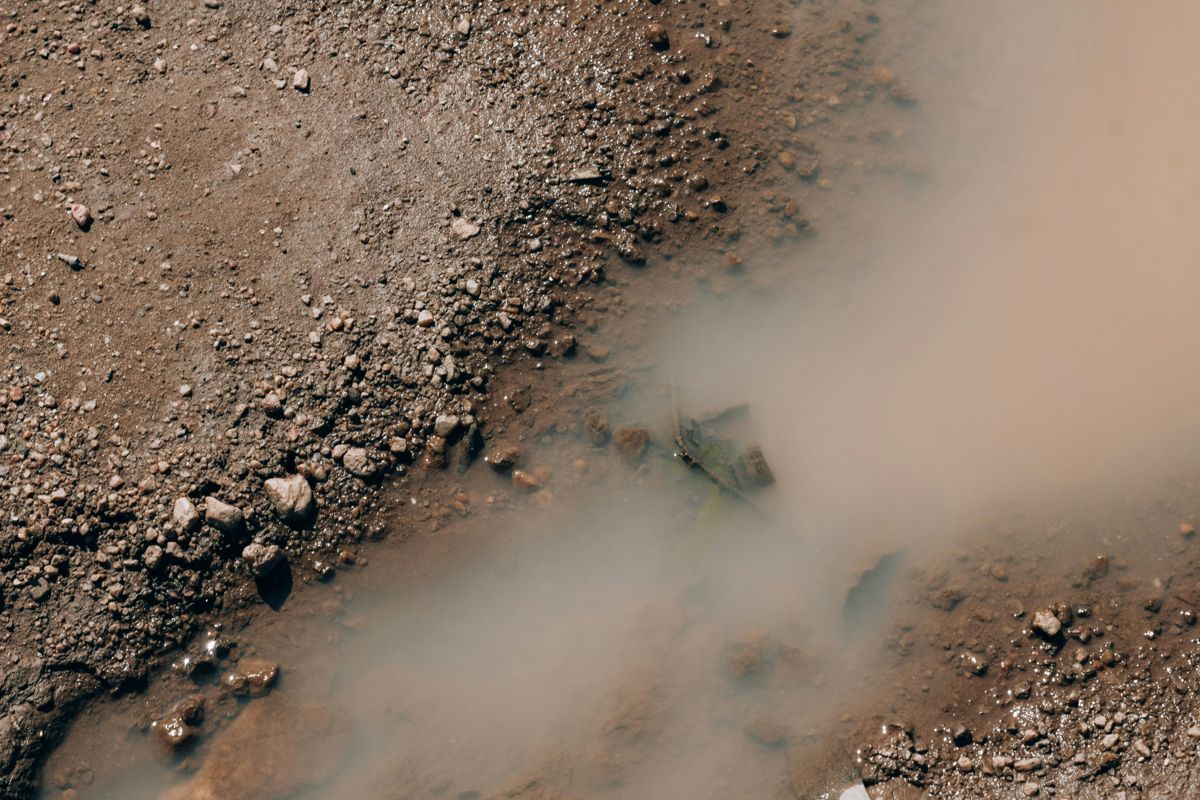 Process that brings about an increase in soil density or unit weight, accompanied by a decrease in air volume.
|
Increased traffic — A greater number of vehicles moving along roads, or the amount of aircraft, trains, or ships moving along a route.
Overgrazing (natural) — Excessive grazing by natural animal populations without sufficient rest, resulting in declines in the biomass or health of vegetation.
Overgrazing (stock) — Excessive grazing by domesticated stock without sufficient rest, resulting in declines in the biomass or health of vegetation.
|
|
Desertification
 Reduction in the productivity of the land that is not reversible. In other words, land is desertified when it can no longer support the same plant growth it had in the past, and the change is permanent on a human time scale.
|
Prolonged temperature increase — Seasonal to multi-annual increases in temperature compared with past averages.
|
|
Elevation change
 Change in the altitude above sea or ground level.
|
Deposition — Deposition is the laying down of sediment carried by wind, water, or ice. Sediment can be transported as pebbles, sand & mud, or as salts dissolved in water. Salts may later be deposited by organic activity (e.g. as sea-shells) or by evaporation.
Earthquake — The vibrations of the Earth caused by the passage of seismic waves radiating from some source of elastic energy.
Landslide — Movement of material downslope in a mass.
Mining — Extraction of minerals, precious stones or coal, either through open cuts or deep shafts.
Subsidence — The lowering of the Earth's surface, caused by factors such as compaction, a decrease in ground water or earthquakes.
Waste dumping — The disposal of solid wastes without environmental controls.
|
|
Erosion
 Geological process in which earthen materials are worn away and transported by natural forces such as wind or water.
|
Construction — Creation of infrastructure such as railways, roads, mines, buildings, agricultural farms, aquaculture farms or dams; includes barrages and marina development.
Excess precipitation — Above-normal increase in the amount of rain or snowfall.
Frost — Deposit of soft white ice crystals or frozen dew drops on objects near the ground; formed when surface temperature falls below freezing point.
Increased traffic — A greater number of vehicles moving along roads, or the amount of aircraft, trains, or ships moving along a route.
Increased wind — A higher velocity of air movement into an area associated with, for example, cyclones, hurricanes, typhoons, tornados, thunderstorms, storms or ice storms.
Sea level fluctuation — Irregular rise and fall of sea level.
Topsoil removal — Taking away the surface layer of soil that contains partly decomposed organic debris, and which is usually high in nutrients, containing many seeds, and is rich in fungal mycorrhizae.
Water movement change — A change in the direction of flow of a body of water that might be accompanied by a change in velocity, turbulence and/or discharge.
Wave action — Disturbance on the surface of a liquid body, as the sea or a lake, in the form of a moving ridge or swell that impacts on the structure of land elements.
|
|
Geomorphological change
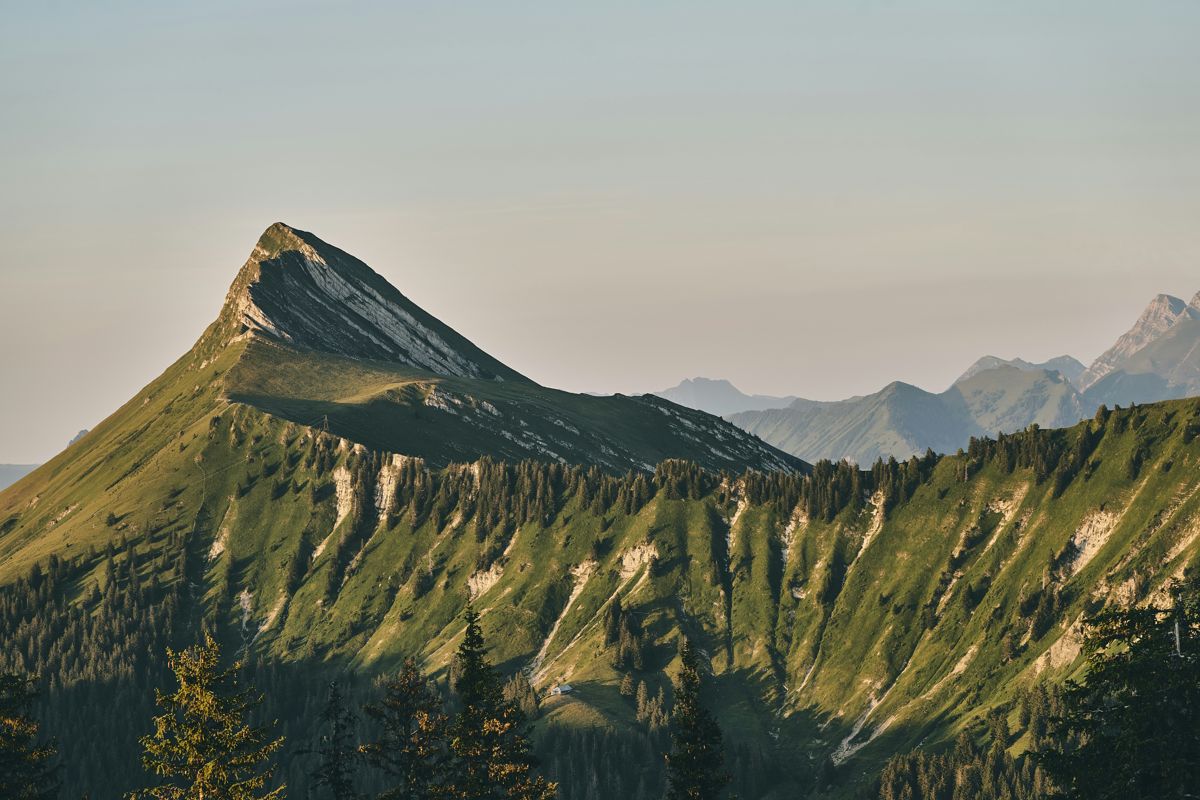 A geomorphic adjustment that changes the geometry of landforms. Examples include estuarine evolution and beach rotation in coastal areas and mountain uplift.
|
Mining — Extraction of minerals, precious stones or coal, either through open cuts or deep shafts.
|
|
Lava flow
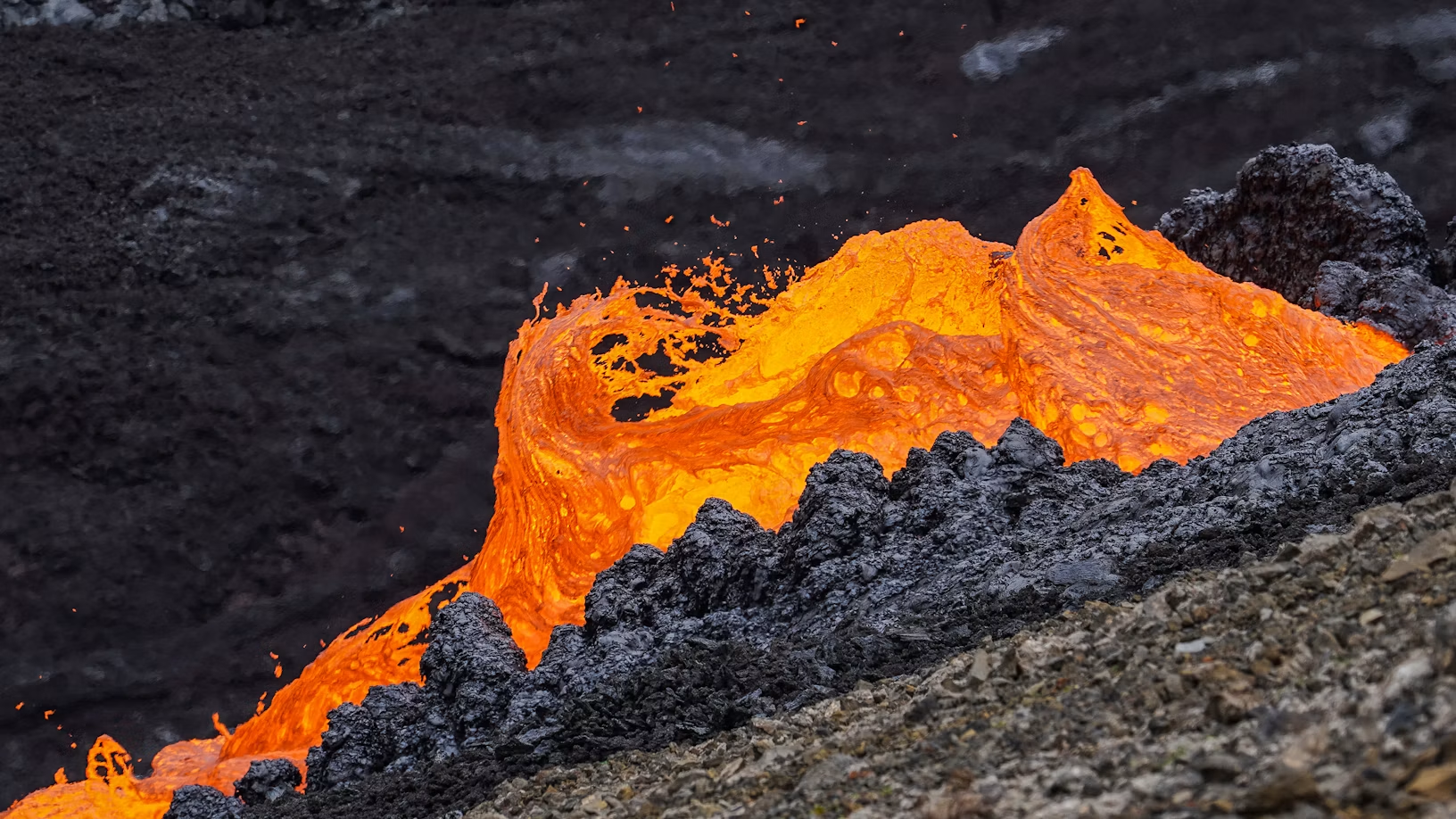 A mass of molten rock produced during the eruption of a volcano and moving down its sides.
|
Volcanic eruption — The discharge (aerially explosive) of fragmentary ejecta, lava and gases from a volcanic vent.
|
|
Natural surface gain
 Increase in the area occupied by a natural surface.
|
Deposition — Deposition is the laying down of sediment carried by wind, water, or ice. Sediment can be transported as pebbles, sand & mud, or as salts dissolved in water. Salts may later be deposited by organic activity (e.g. as sea-shells) or by evaporation.
Urban rehabilitation — Area devoted to regenerating and conserving the built heritage or the urban environment, including the ecosystems. In addition to the refurbishment of historical buildings and townscapes, such activities also comprise the modernisation and upgrading of technical facilities and the respect of environmental and security norms and standards. Includes urban restoration.
|
|
Natural surface loss
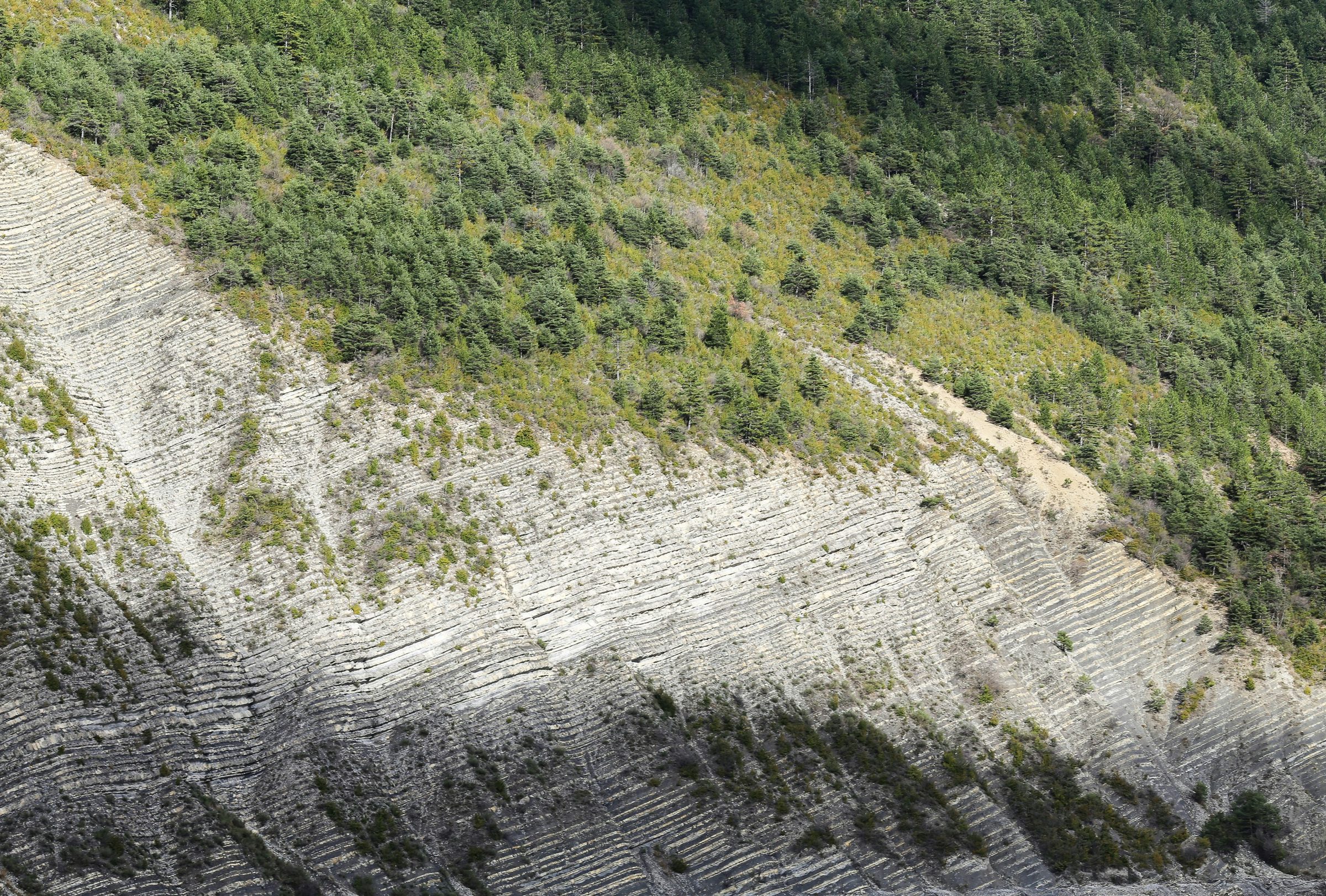 Decrease in area of natural surface.
|
Mining — Extraction of minerals, precious stones or coal, either through open cuts or deep shafts.
|
|
Sinkhole
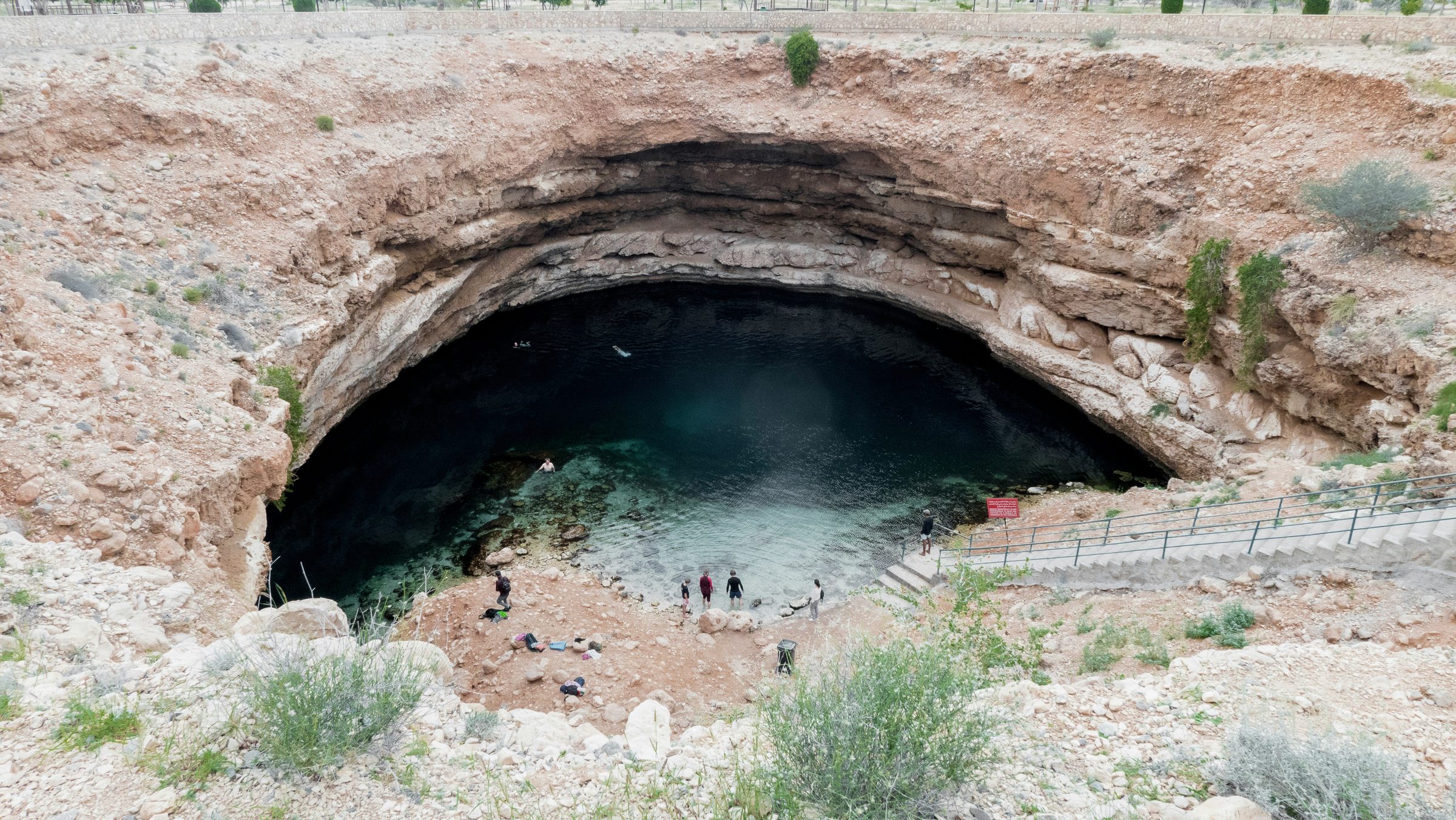 A sinkhole is a closed natural depression in the ground surface caused by removal of material below the ground and either collapse or gradual subsidence of the surface into the resulting void.
|
Subsidence — The lowering of the Earth's surface, caused by factors such as compaction, a decrease in ground water or earthquakes.
|
| Impact | Pressures that can cause it (click to show) |
|---|---|
|
Building or infrastructure abandonment
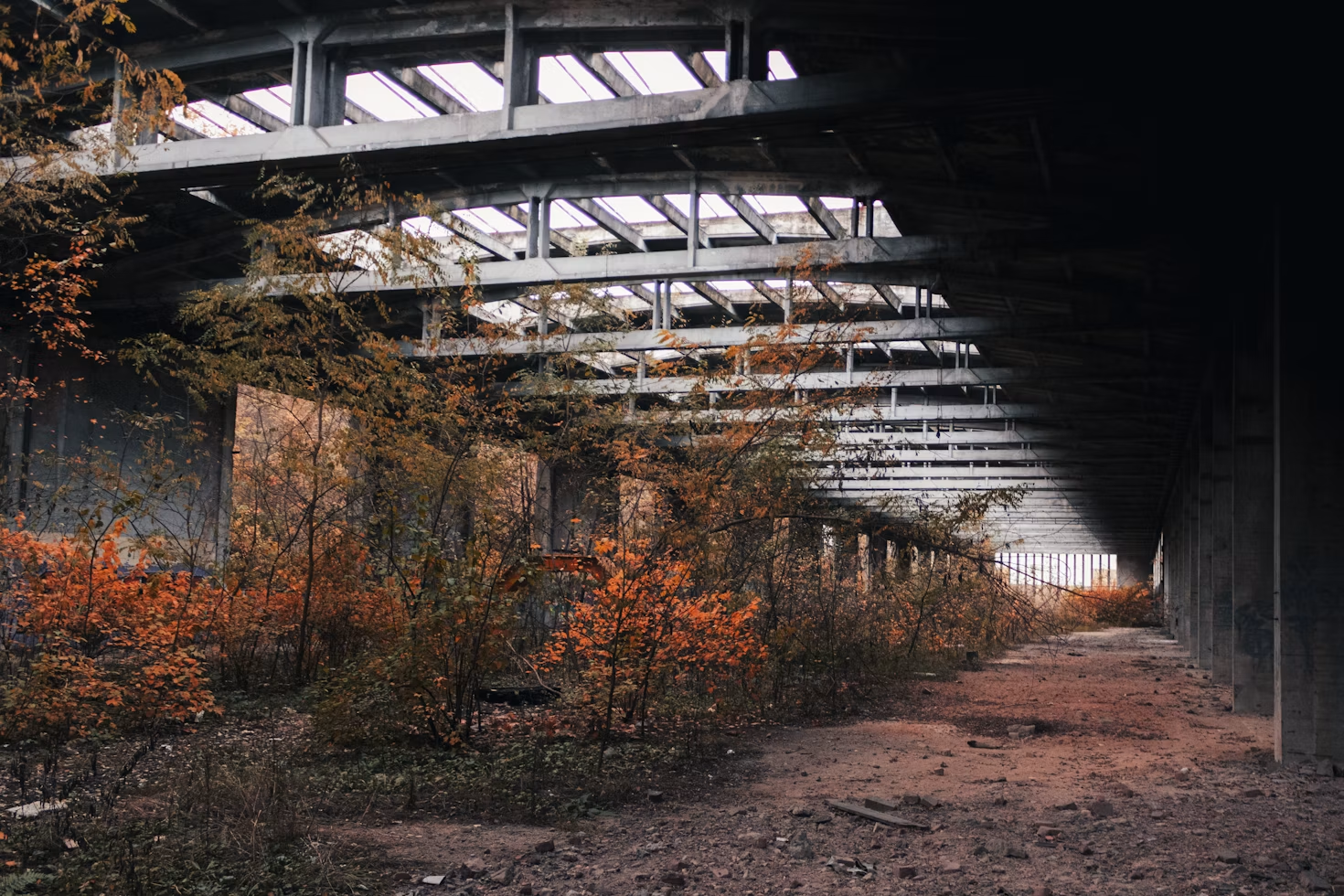 Buildings dehabited or no longer in use.
|
Dam removal — Demolition/decommissioning of a dam enabling reinstatement of unconstrained water flow and typically reducing pooled water.
Flooding — The inundation of water over land that is generally dry.
Increased wind — A higher velocity of air movement into an area associated with, for example, cyclones, hurricanes, typhoons, tornados, thunderstorms, storms or ice storms.
Urban fire — Urban fire occurs primarily in cities or towns with the potential to rapidly spread to adjoining structures. These fires damage and destroy homes, schools, commercial buildings, and vehicles.
|
|
Mine abandonment
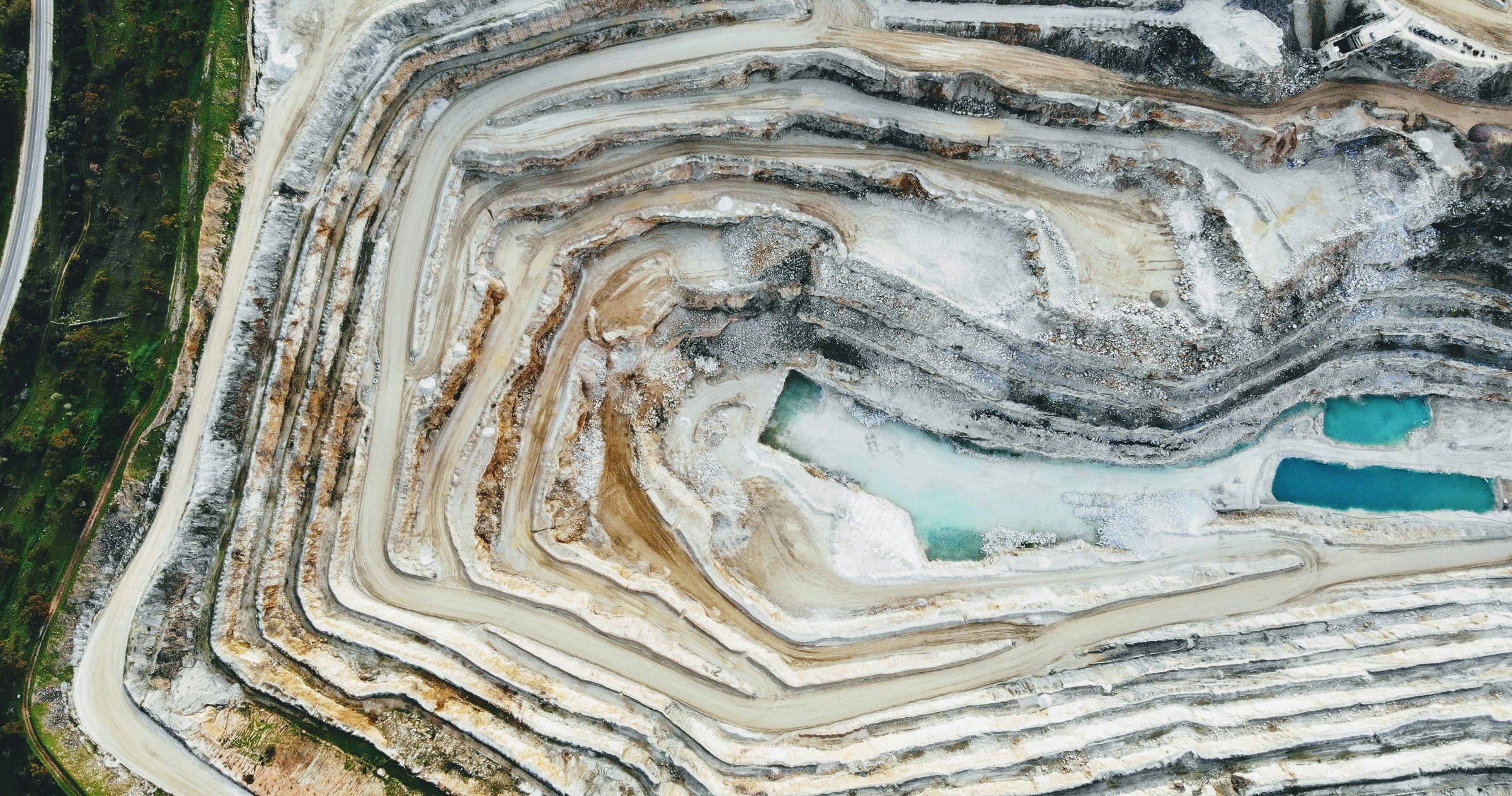 Land formally used for extractive industry but no longer in use and no new use observed.
|
Reduced investment — Sale of an asset or item or removing funding from a service.
|
|
Mine construction
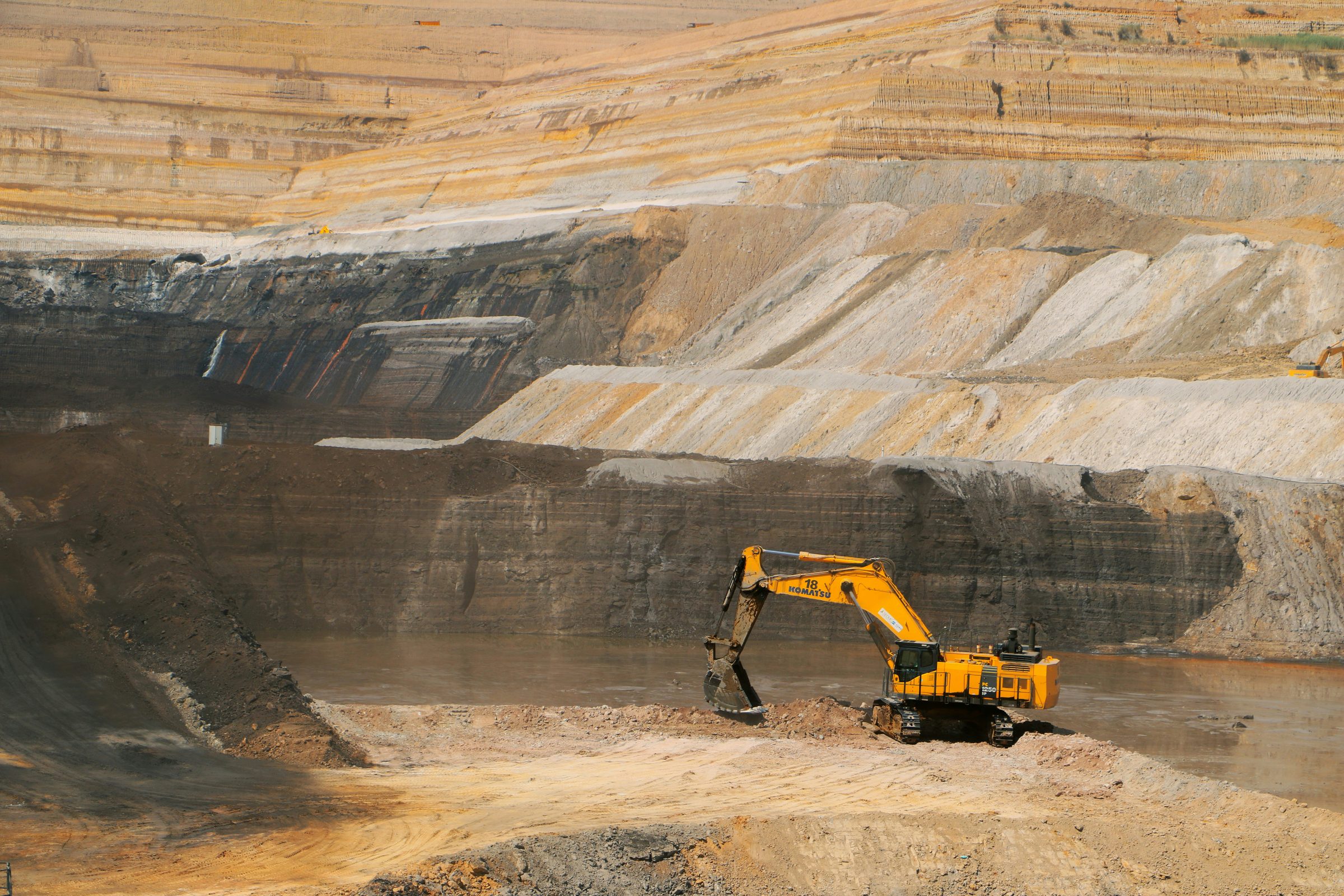 Creation of infrastructure in preparation for mining.
|
— |
|
Mine expansion
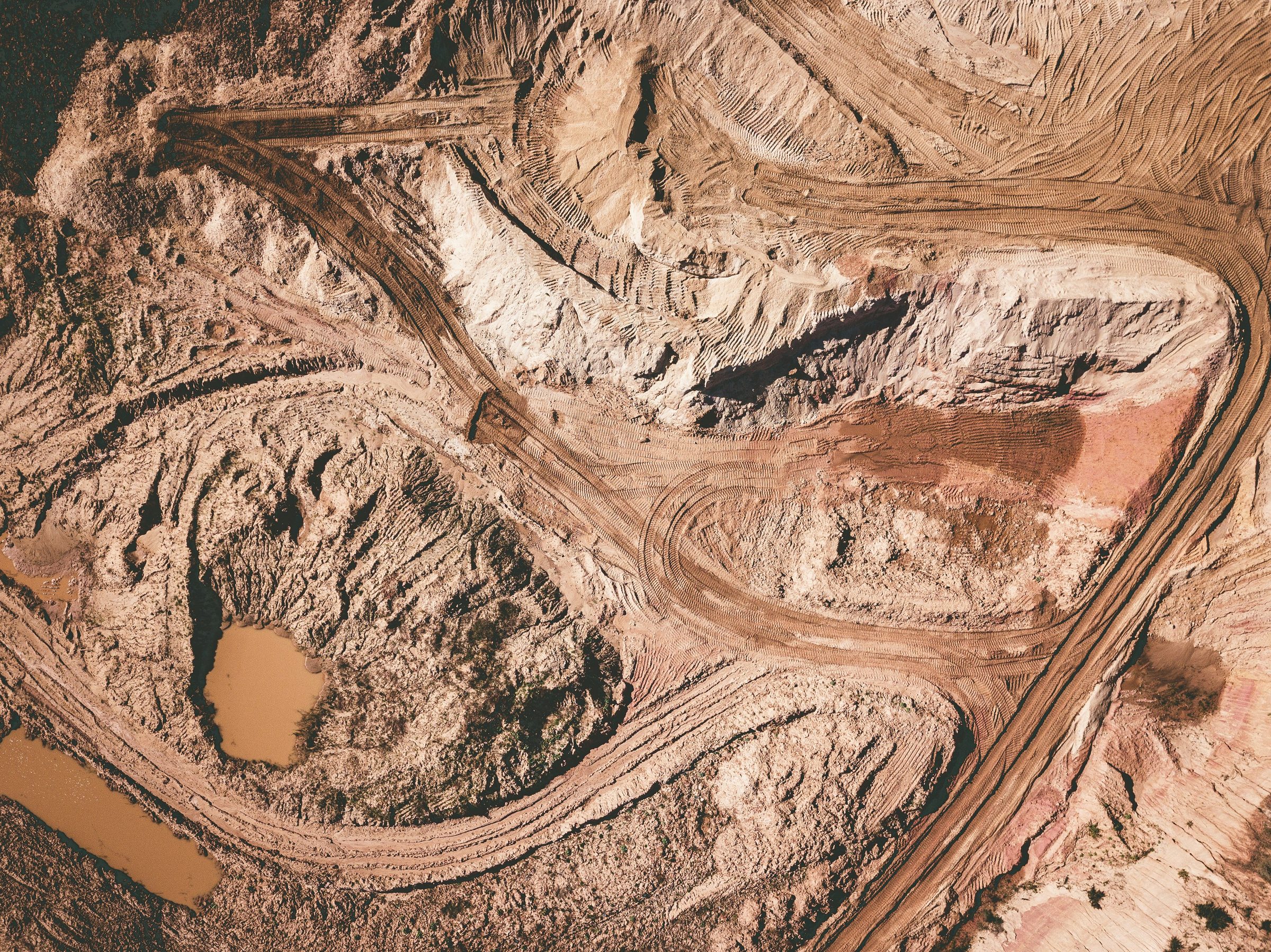 Design and construction of landforms as well as the establishment of sustainable ecosystems or alternative vegetation, depending upon desired post-operational land use.
|
Increased investment — Purchase of an asset, item or service.
|
|
Railway or road abandonment
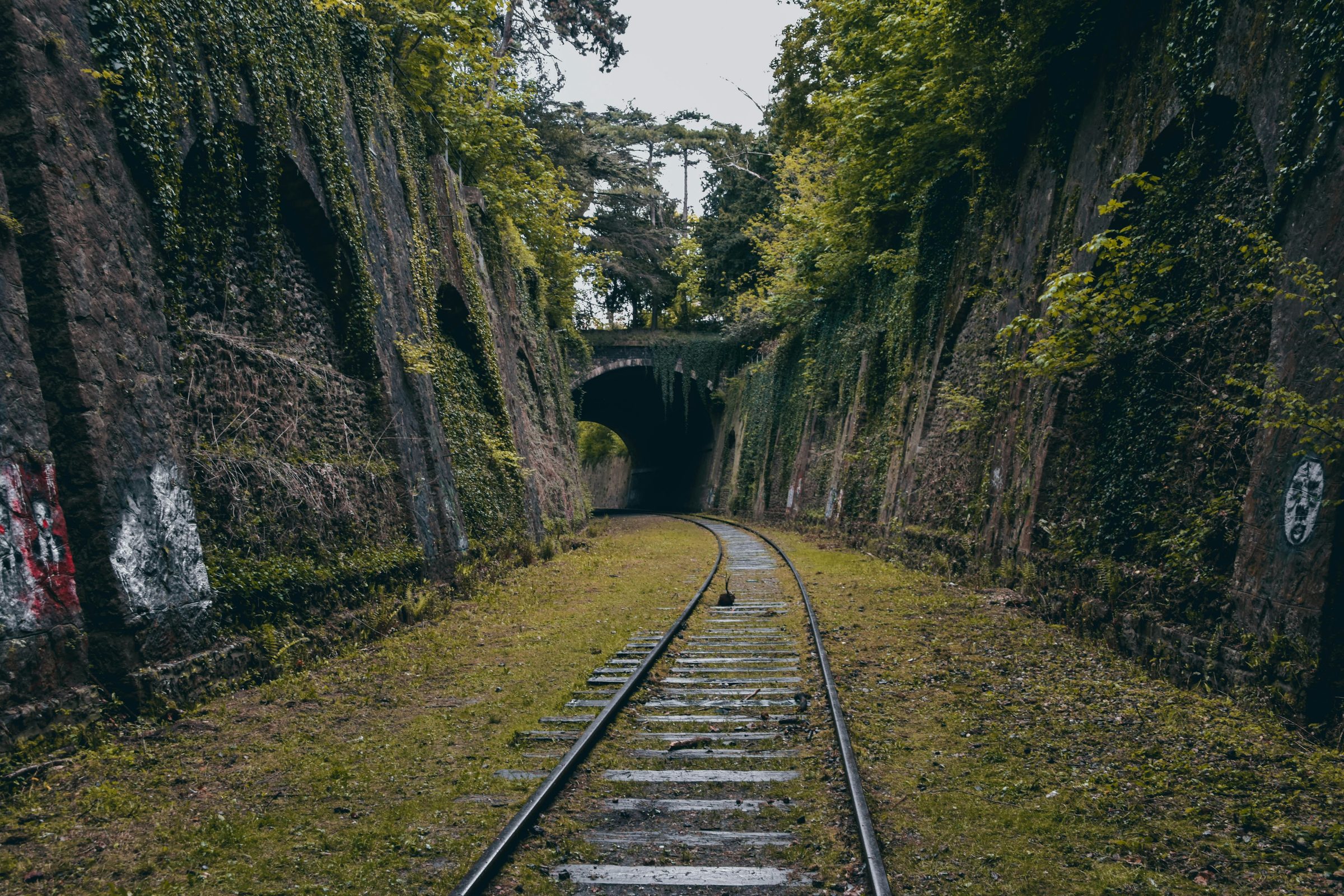 Transport infrastructure no longer in use and no new use observed.
|
Reduced investment — Sale of an asset or item or removing funding from a service.
|
|
Railway or road construction
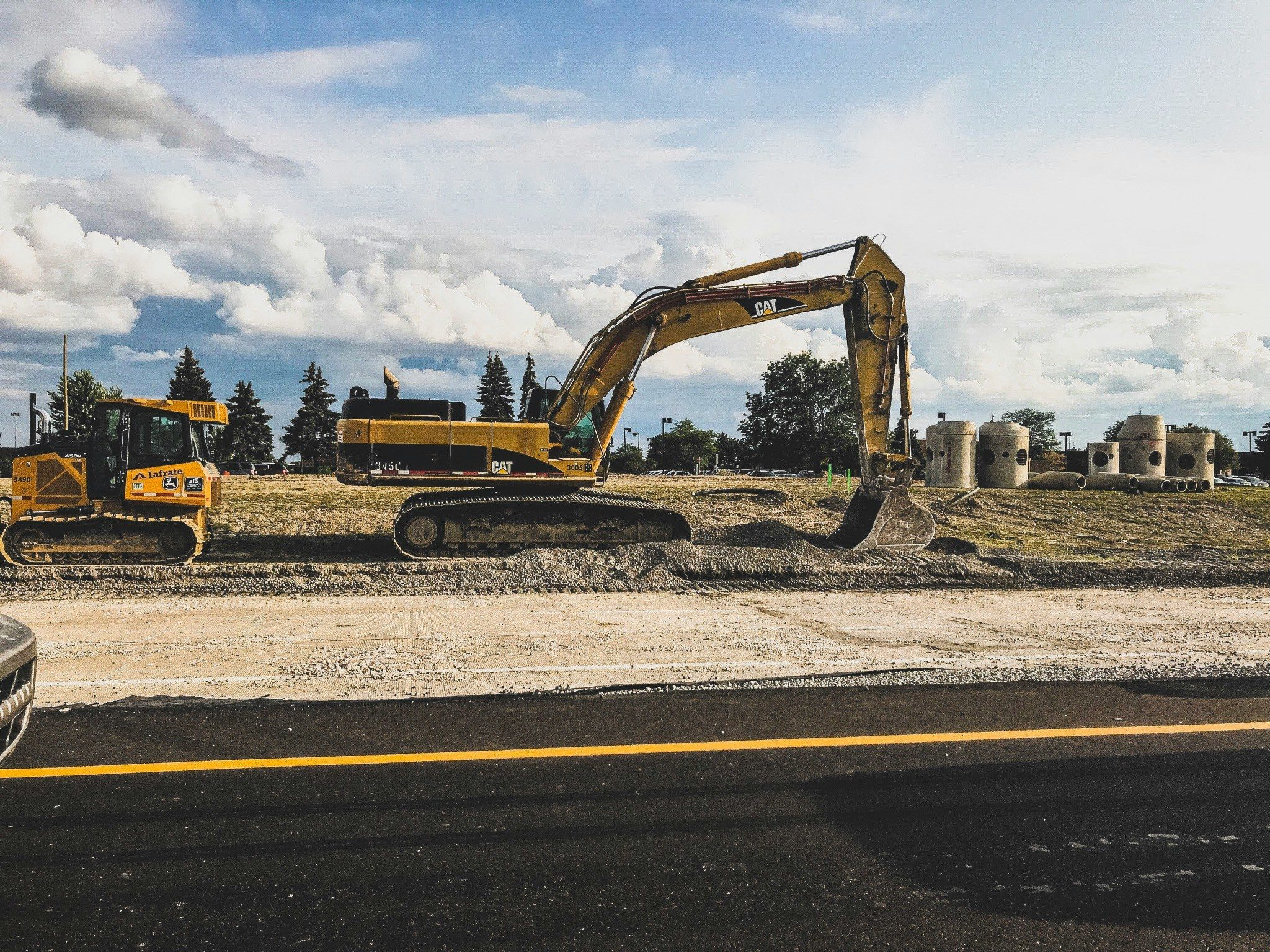 Building of a land cover that consists of a combination of materials to form a linear structure for the purpose of road or railroad transportation.
|
Increased investment — Purchase of an asset, item or service.
|
|
Urban damage
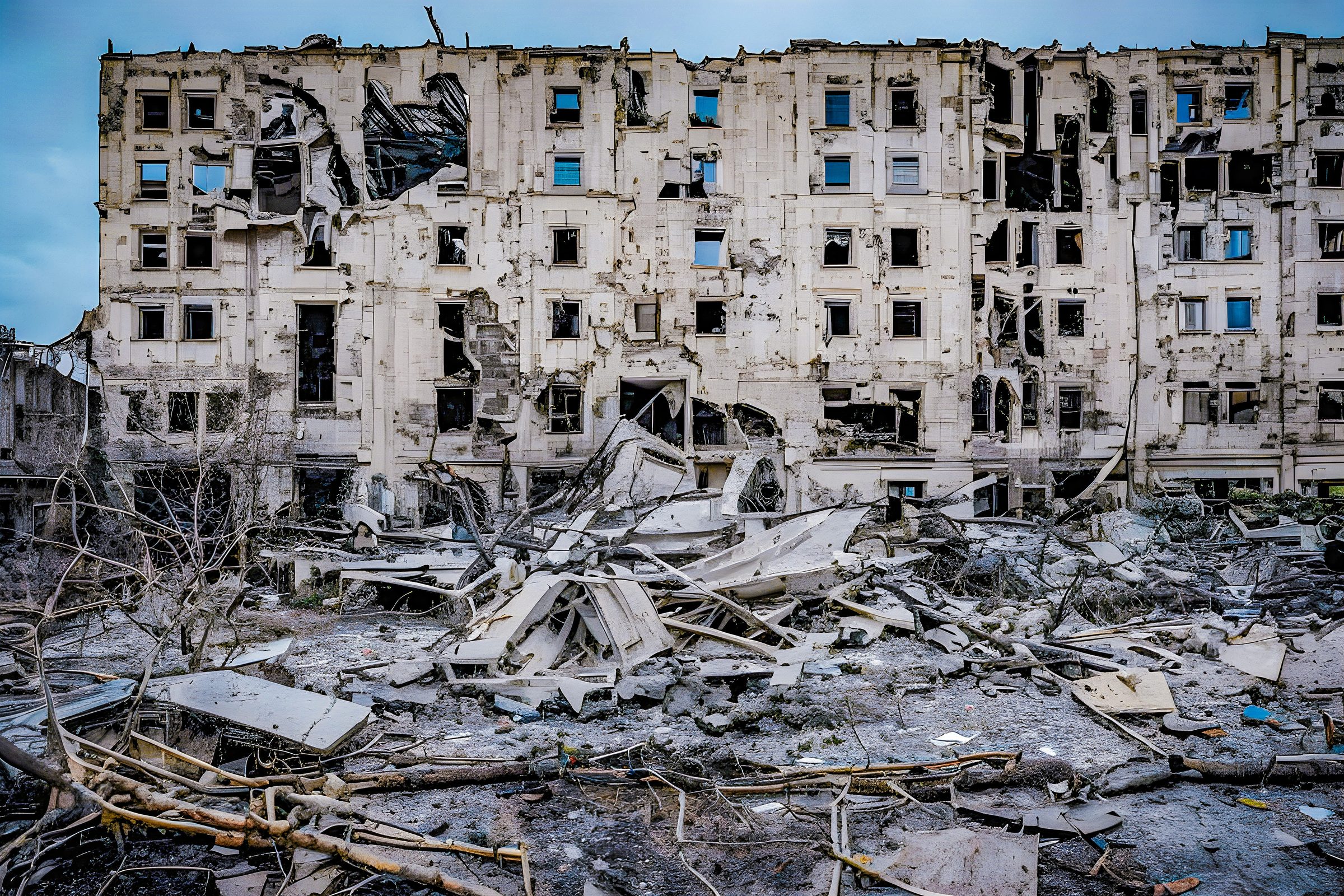 Damage to urban buildings and infrastructure.
|
Flooding — The inundation of water over land that is generally dry.
Increased wind — A higher velocity of air movement into an area associated with, for example, cyclones, hurricanes, typhoons, tornados, thunderstorms, storms or ice storms.
Urban fire — Urban fire occurs primarily in cities or towns with the potential to rapidly spread to adjoining structures. These fires damage and destroy homes, schools, commercial buildings, and vehicles.
|
|
Urban decay
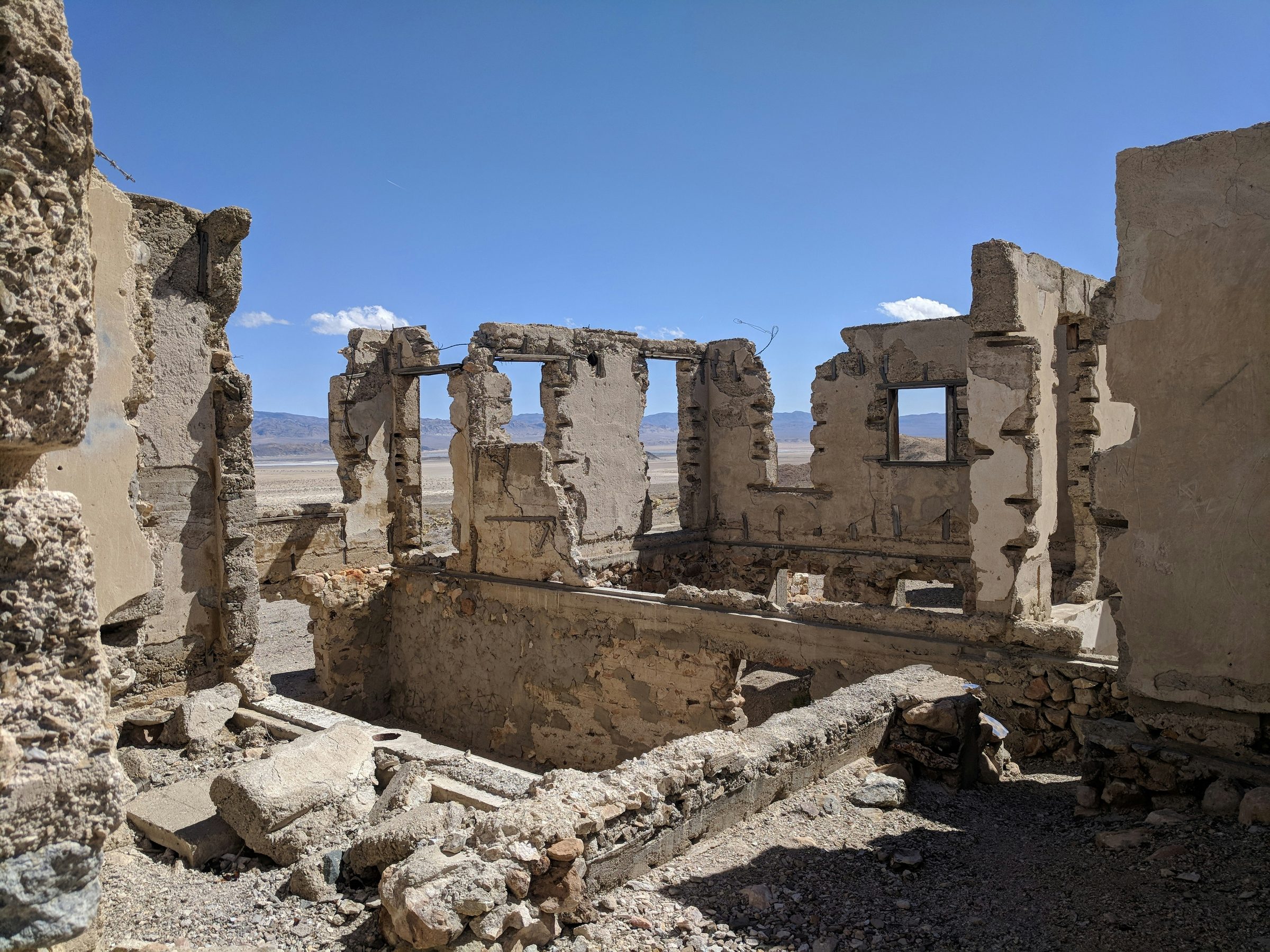 The process of deterioration in the integrity of buildings and infrastructure.
|
Dam failure — The uncontrolled release of a water storage. The failure may consist of the collapse of the dam or some part of it, or excessive seepage or discharges.
Mine abandonment — Land formally used for extractive industry but no longer in use and no new use observed.
Subsidence — The lowering of the Earth's surface, caused by factors such as compaction, a decrease in ground water or earthquakes.
|
|
Urban densification
 Increases in the number of buildings and associated infrastructure as human populations move into an area to live or work.
|
Construction — Creation of infrastructure such as railways, roads, mines, buildings, agricultural farms, aquaculture farms or dams; includes barrages and marina development.
|
|
Urban development
 Economic, social and political changes that improve the wellbeing of people in an urban setting.
|
Levelling — Flattening ground by infilling or cutting the surface. Used to create a straight base for a new development including some forms of agriculture.
|
|
Urban growth
 Increase in extent of urban land cover through the construction of buildings and associated infrastructure.
|
Construction — Creation of infrastructure such as railways, roads, mines, buildings, agricultural farms, aquaculture farms or dams; includes barrages and marina development.
|
|
Urban loss (extent)
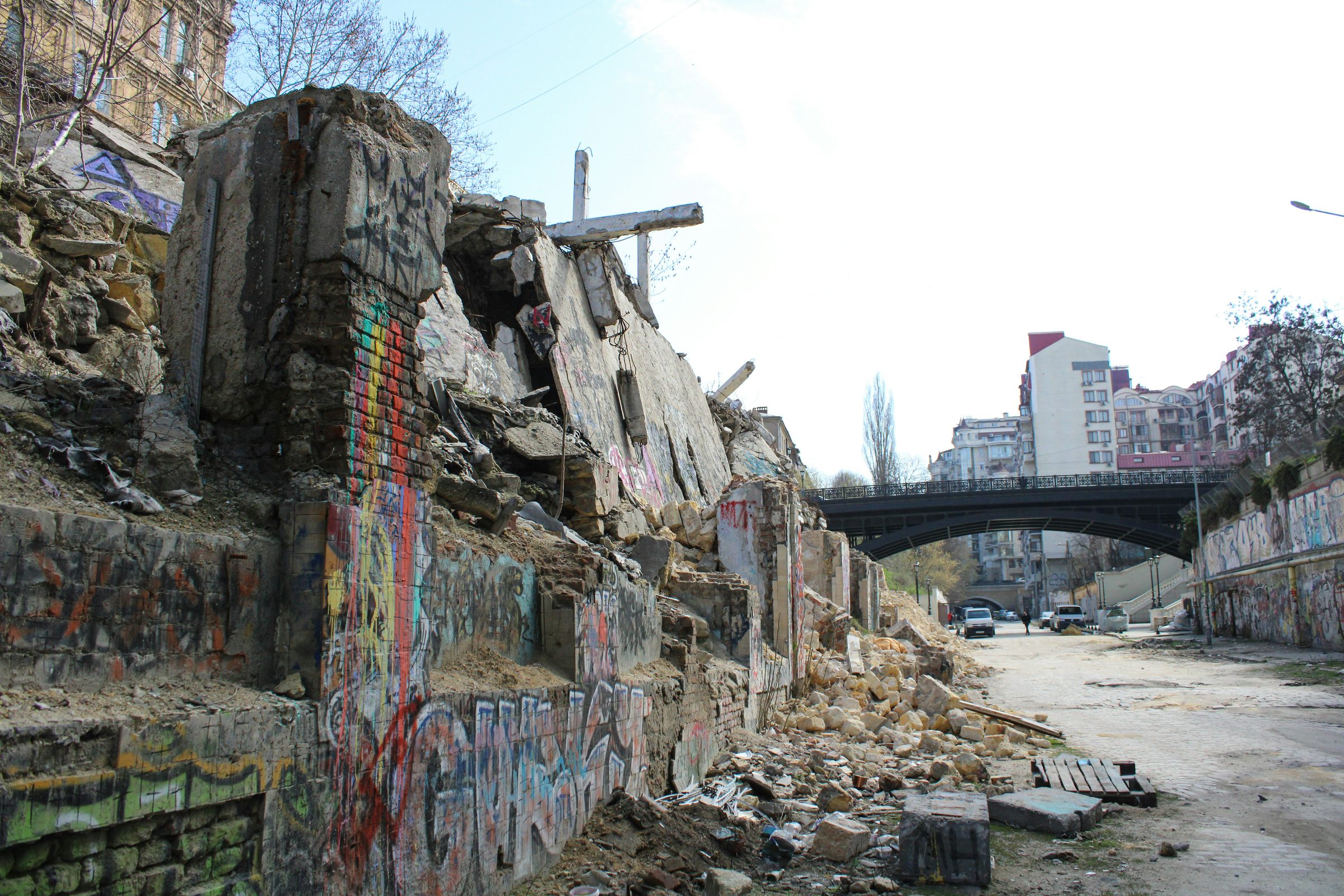 Removal of all settlements above a certain minimum population size and minimum population density that are within a certain travel time by road.
|
Earthquake — The vibrations of the Earth caused by the passage of seismic waves radiating from some source of elastic energy.
Flooding — The inundation of water over land that is generally dry.
Tropical cyclone — A non-frontal low pressure system of synoptic scale developing over warm waters having organised convection and a maximum mean wind speed of 34 knots or greater extending more than half-way around near the centre and persisting for at least six hours.
|
|
Urban renewal
 Redevelopment of a built environment to address urban decay.
|
Repairing damage — Improvement in condition of infrastructure or an increase in amount of construction following damage repair.
|
|
Urban sprawl
 Unplanned low-density development surrounding an urban area that often starts as rural land. Also called suburban sprawl.
|
Construction — Creation of infrastructure such as railways, roads, mines, buildings, agricultural farms, aquaculture farms or dams; includes barrages and marina development.
|
| Impact | Pressures that can cause it (click to show) |
|---|---|
|
Accretion
 The build-up of sediments to form land or shoaling in coastal waters or waterways. It may be either natural or artificial. Natural accretion is the build-up of land on the beach, dunes, or in the water by natural processes, such as waves, current and wind. Artificial accretion is a similar build-up of land resulting from built structures such as groynes or breakwaters, or activities such as filling and beach nourishment, or also aggradation.
|
Sediment transport — The movement of solid particles (sediment) caused by movement of the water volume within which they are contained and the force of gravity.
|
|
Blackwater event
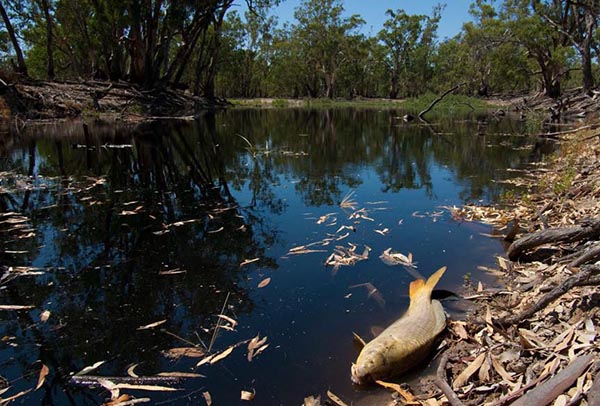 When organic material is inundated or washed into waterways and consumed by bacteria, leading to a sudden depletion of dissolved oxygen in the water.
|
Inundation following extended drought — Progressive submergence of land or structures through flooding and following an extended period of drought.
|
|
Coral bleaching
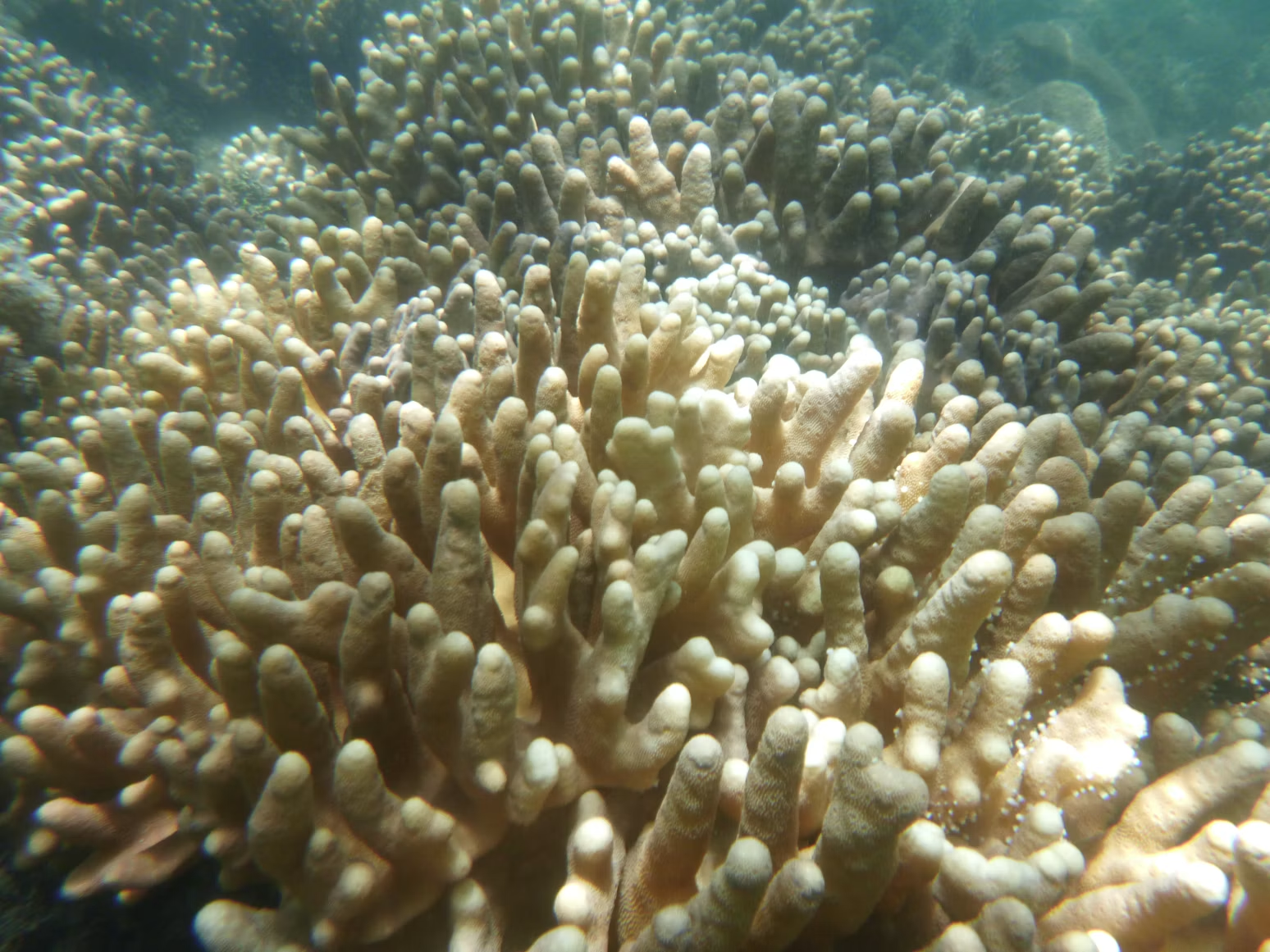 When the coral host expels its zooxanthellae (marine algae living in symbiosis with the coral) in response to increased water temperatures, often resulting in the death of the coral.
|
Increased acidity — A decrease in the pH of water or soils across the range of alkaline (7-14), neutral (7) to acidic (0 to 7). Inversely related to alkalinity.
Prolonged temperature increase — Seasonal to multi-annual increases in temperature compared with past averages.
|
|
Coral damage
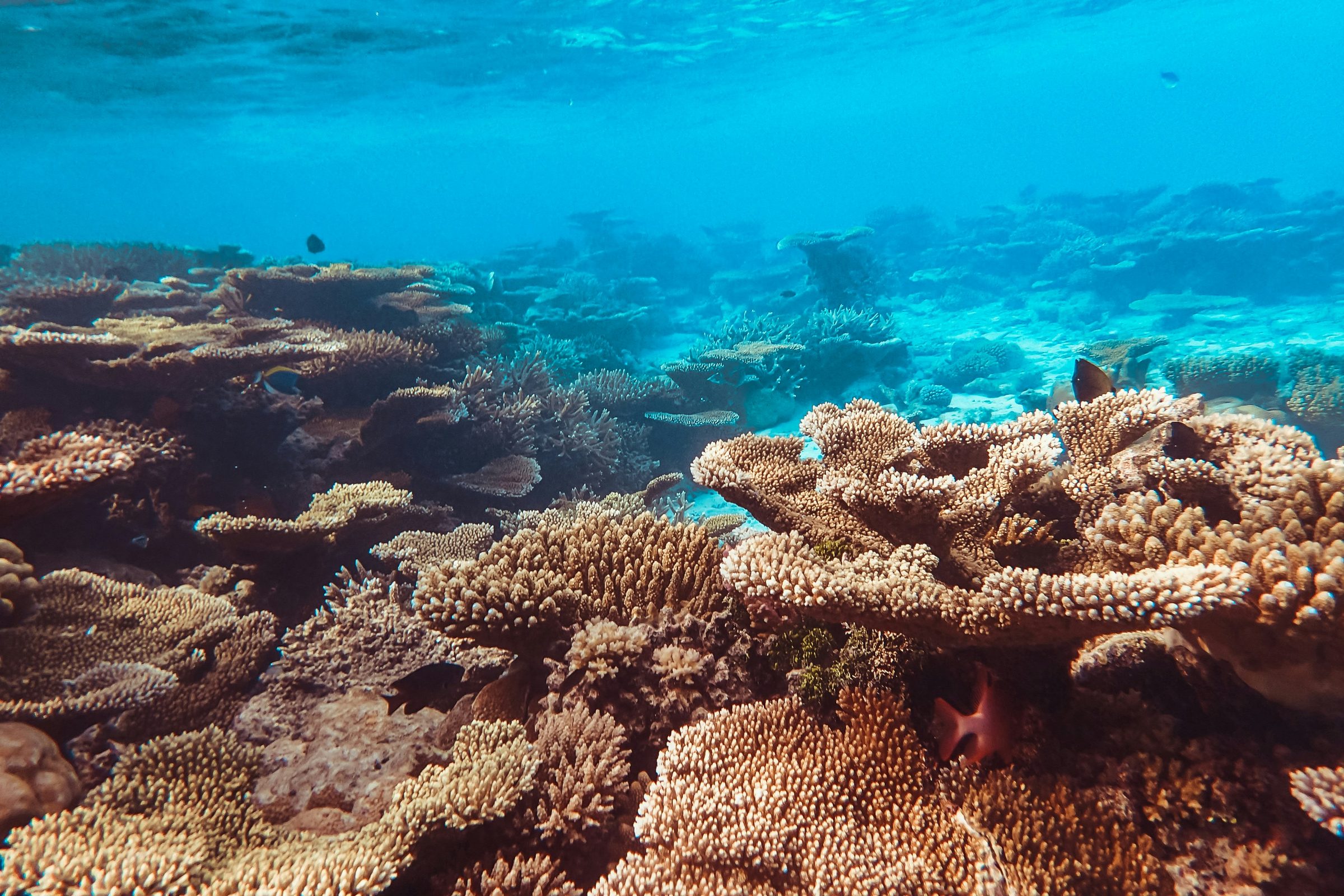 Physical damage or loss of a coral reef that is not the result of changes in water temperature.
|
Invasive or exotic species — A plant or animal that has been introduced into a region (terrestrial or aquatic) in which it does not naturally occur and that becomes established and spreads, displacing naturally occurring species.
Pathogens — Any small organism, such as a virus or a bacterium, that can cause disease.
Sedimentation — Deposition of sediment from flowing water (in channels or floodplains) or standing water (in wetlands, lakes, or oceans).
|
|
Coral recovery
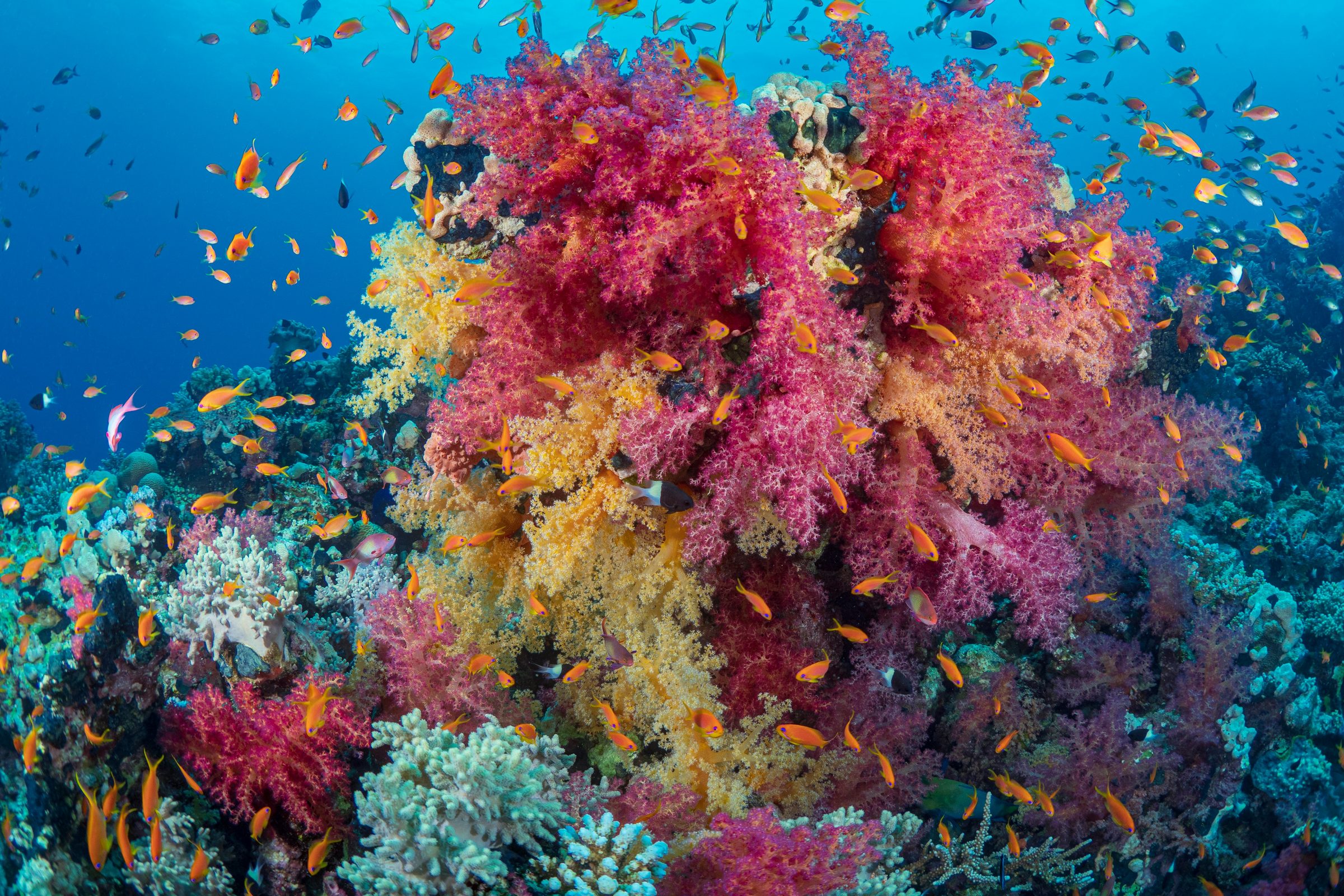 Re-instatement of the previous extent or health of reef-building corals.
|
Decreased acidity — A increase in the pH of water or soils across the range of alkaline (7-14), neutral (7) to acidic (0 to 7). Inversely related to alkalinity.
Prolonged temperature decrease — Seasonal to multi-annual decreases in temperature compared with past averages.
|
|
Deglaciation
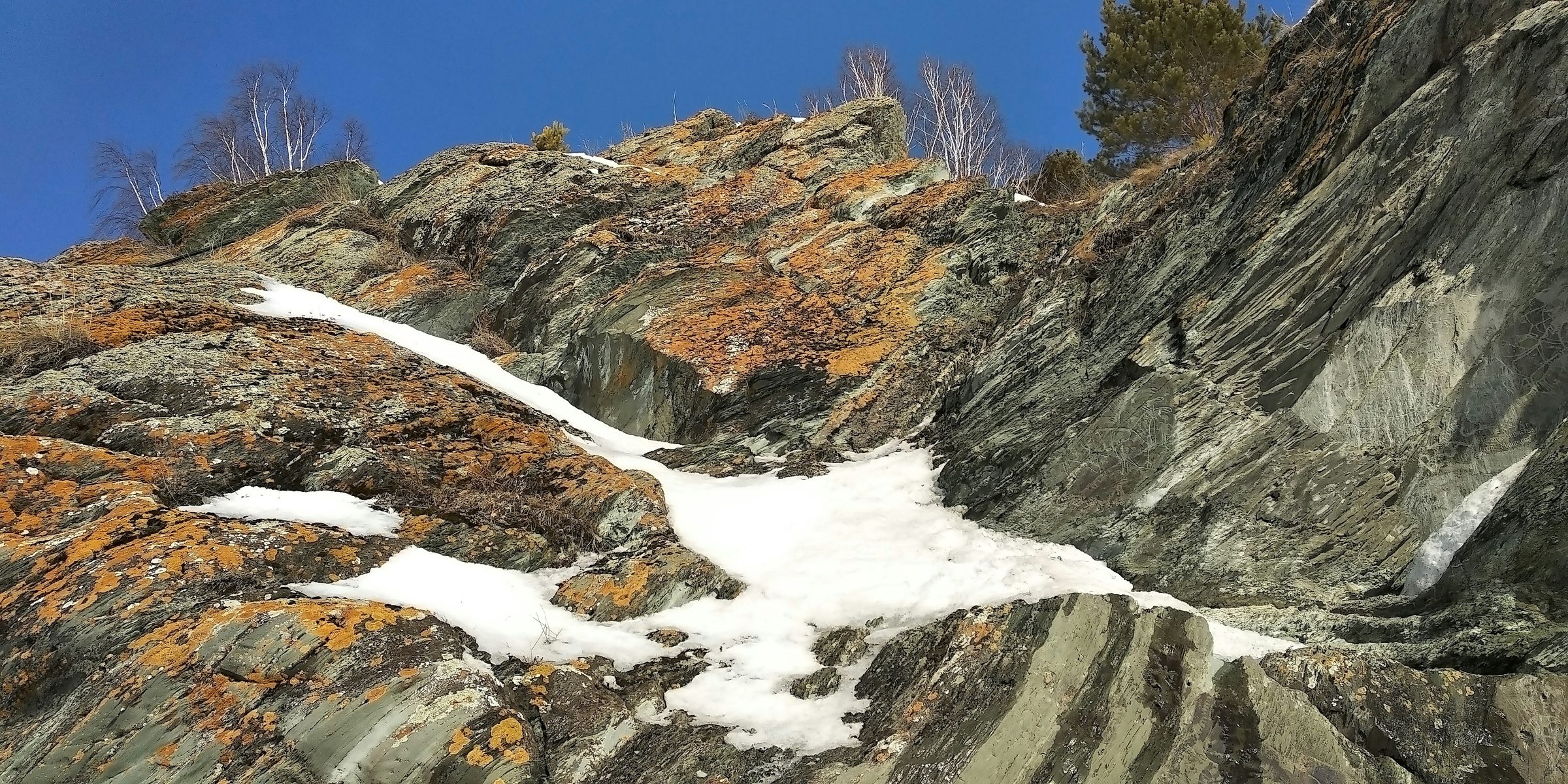 The uncovering of glaciated land because of melting or sublimation of the glacier.
|
Prolonged temperature increase — Seasonal to multi-annual increases in temperature compared with past averages.
|
|
Desalinisation
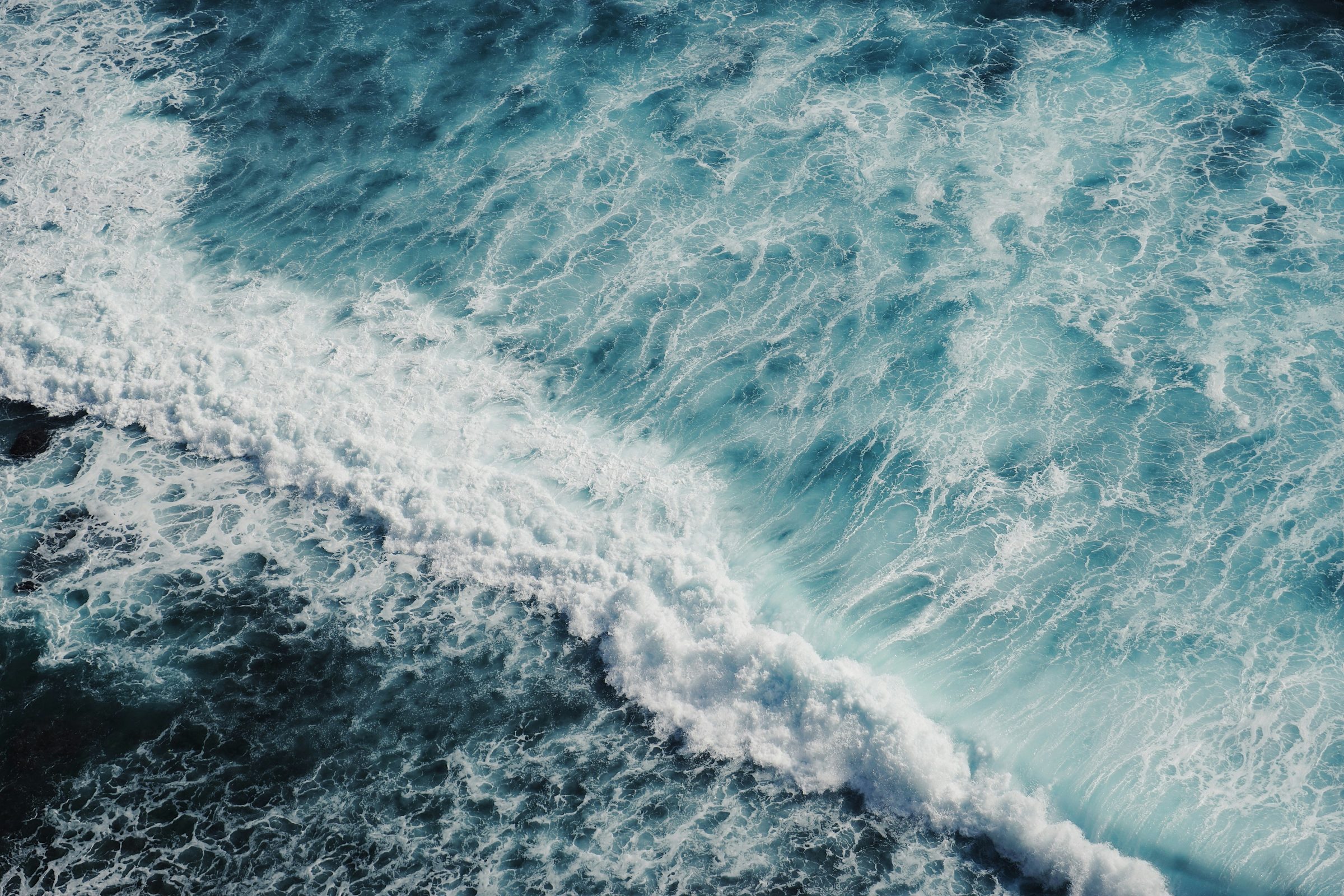 The process of soils becoming less salty; the reduction of soluble salts in water bodies.
|
Gypsum application — Spreading of a naturally occurring mineral that contains calcium and sulphur, thereby increasing porosity of the soil.
|
|
Flooding
 Inundation of water over an area.
|
Excess rain — Heavy rainfall associated with the passage of a storm or tropical cyclone than can produce extensive flooding.
|
|
Glaciation
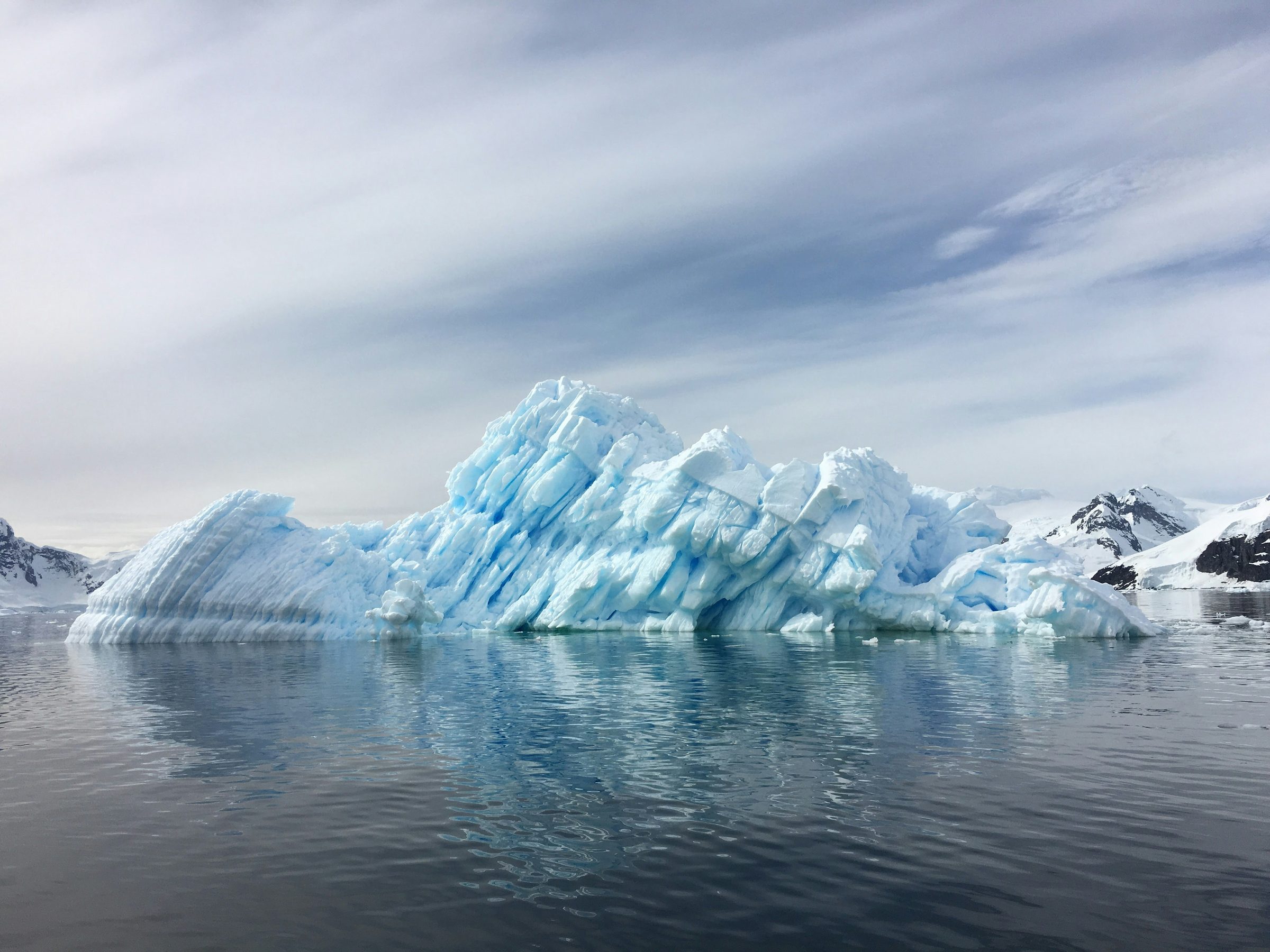 Expansion of ice or glacier cover.
|
Prolonged temperature decrease — Seasonal to multi-annual decreases in temperature compared with past averages.
|
|
Increased sediment load
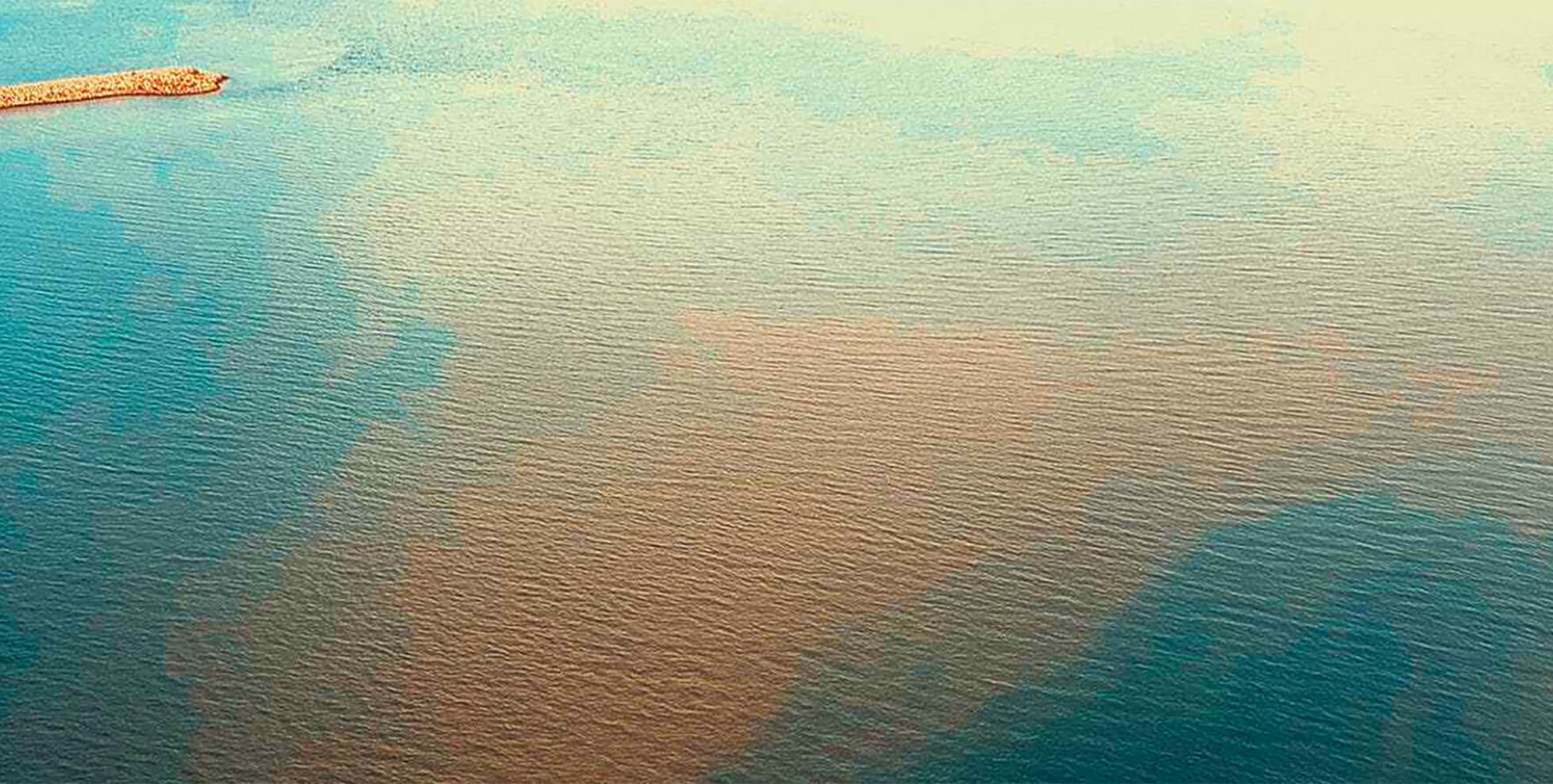 Increase in the amount of a substance discharged into a body of water (e.g. salt or sediment).
|
Sediment transport — The movement of solid particles (sediment) caused by movement of the water volume within which they are contained and the force of gravity.
|
|
Inundation
 Progressive submergence of land or structures through flooding.
|
Flooding — The inundation of water over land that is generally dry.
Sea level fluctuation — Irregular rise and fall of sea level.
|
|
Net snow gain (extent)
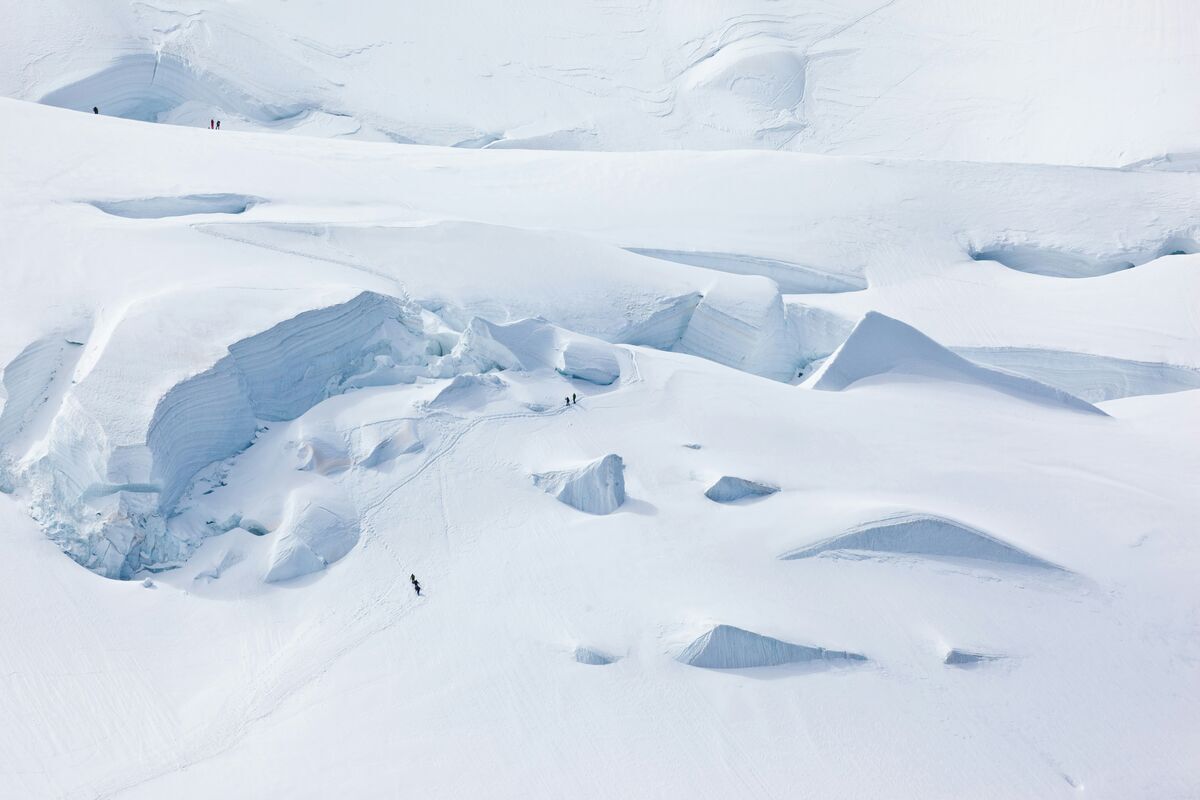 Progressive gain of snow extent.
|
Snowfall — Where water vapour turns into solid ice crystals and falls as snow.
|
|
Net snow gain (hydroperiod)
 The increase in the residence time of snow cover, often expressed as a percentage of a year.
|
Prolonged temperature decrease — Seasonal to multi-annual decreases in temperature compared with past averages.
|
|
Net snow loss (extent)
 Loss of snow cover through melt resulting in exposure of the underlying surface.
|
Snowmelt — Water produced by the melting of snow.
|
|
Net snow loss (hydroperiod)
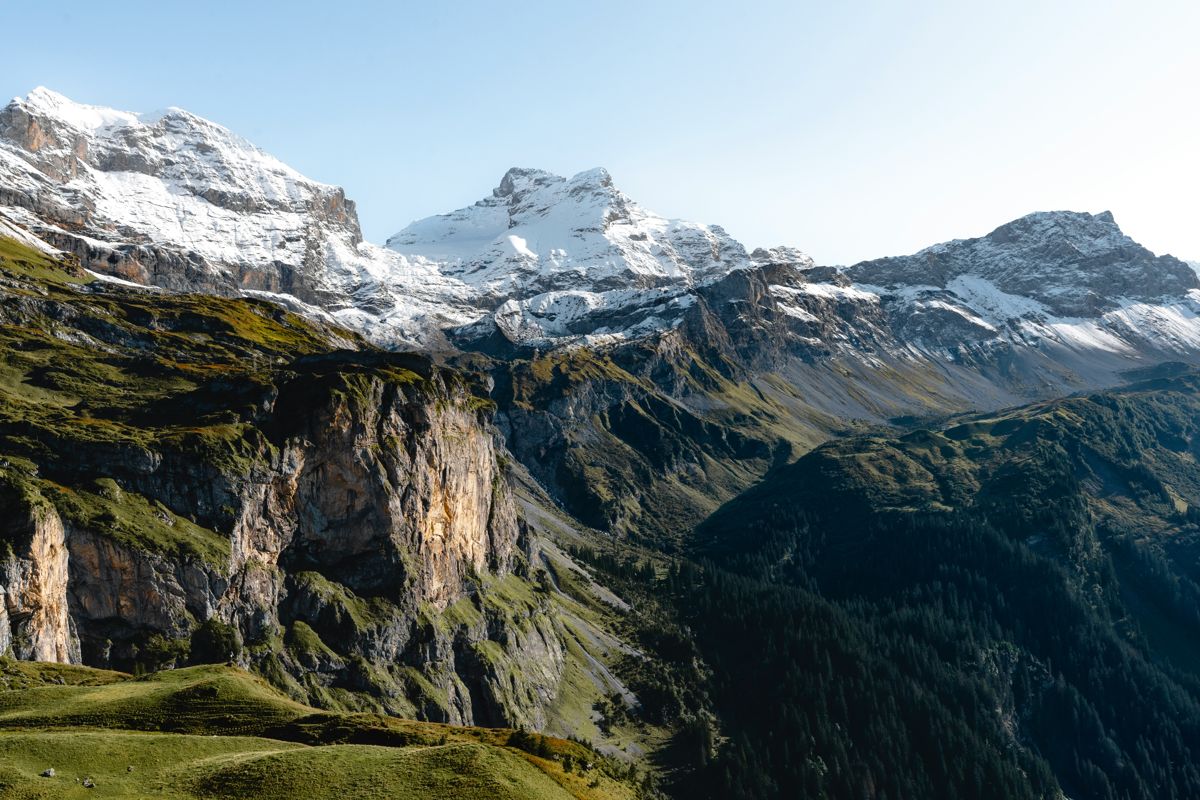 The decrease in the residence time of snow cover, often expressed as a percentage of a year.
|
Prolonged temperature increase — Seasonal to multi-annual increases in temperature compared with past averages.
|
|
Receding flood
 Movement of water away from an area after a flood.
|
Reduced runoff post flood — Reduced quantity of water discharged in surface streams. Runoff includes not only the waters that travel over the land surface and through channels to reach a stream but also interflow, the water that infiltrates the soil surface and travels by means of gravity toward a stream channel (always above the main groundwater level) and eventually empties into the channel. Runoff also includes groundwater that is discharged into a stream; streamflow that is composed entirely of groundwater is termed base flow, or fair-weather runoff, and it occurs where a stream channel intersects the water table.
|
|
Salinisation
 The process of soils becoming more salty; the accumulation of soluble salts in water bodies.
|
Evaporation — Water changing from a liquid to a gas.
Sea level fluctuation — Irregular rise and fall of sea level.
|
|
Sea ice decrease
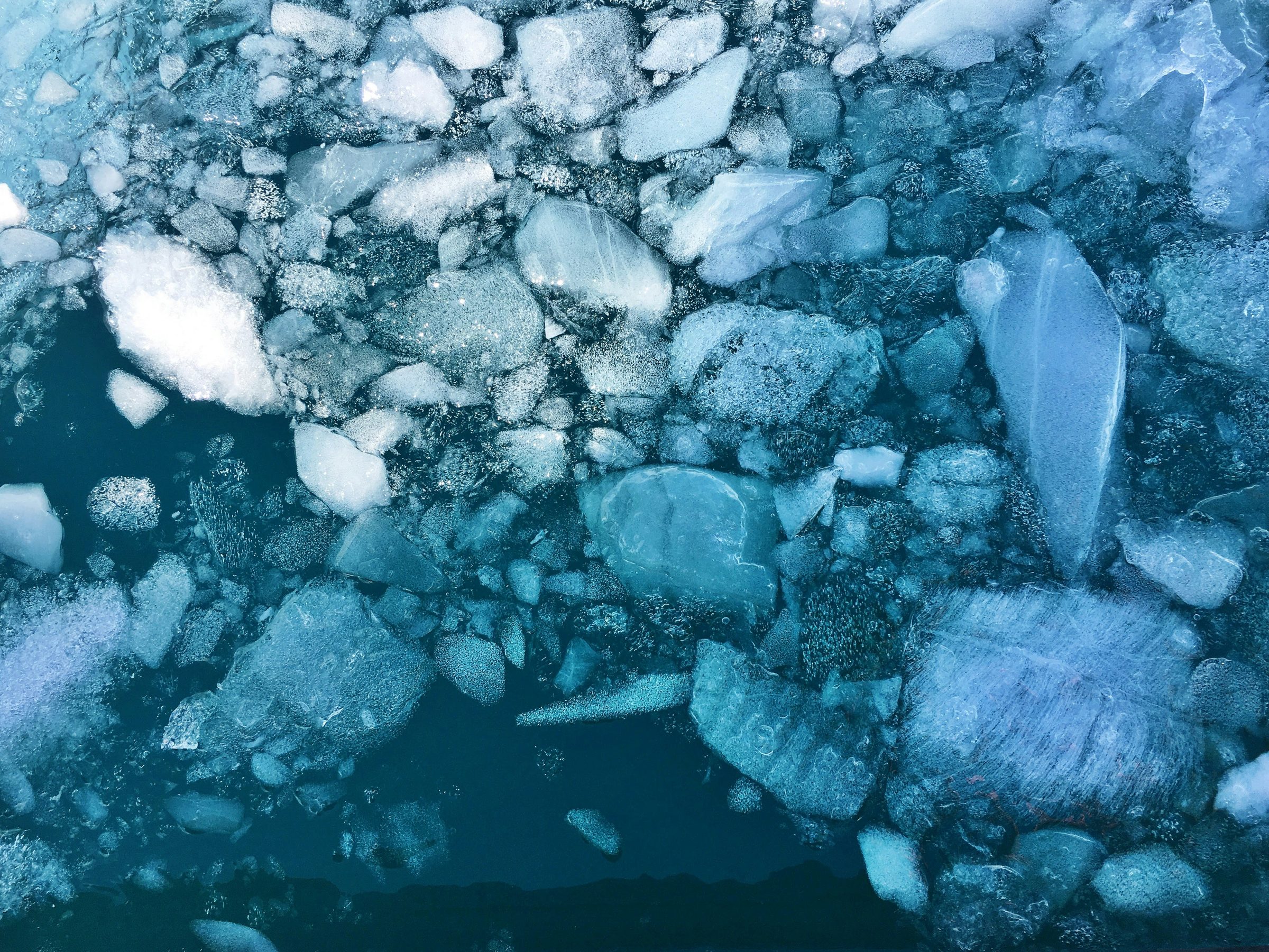 Decrease in the extent and/or volume of frozen marine water.
|
Prolonged temperature increase — Seasonal to multi-annual increases in temperature compared with past averages.
|
|
Sea ice increase
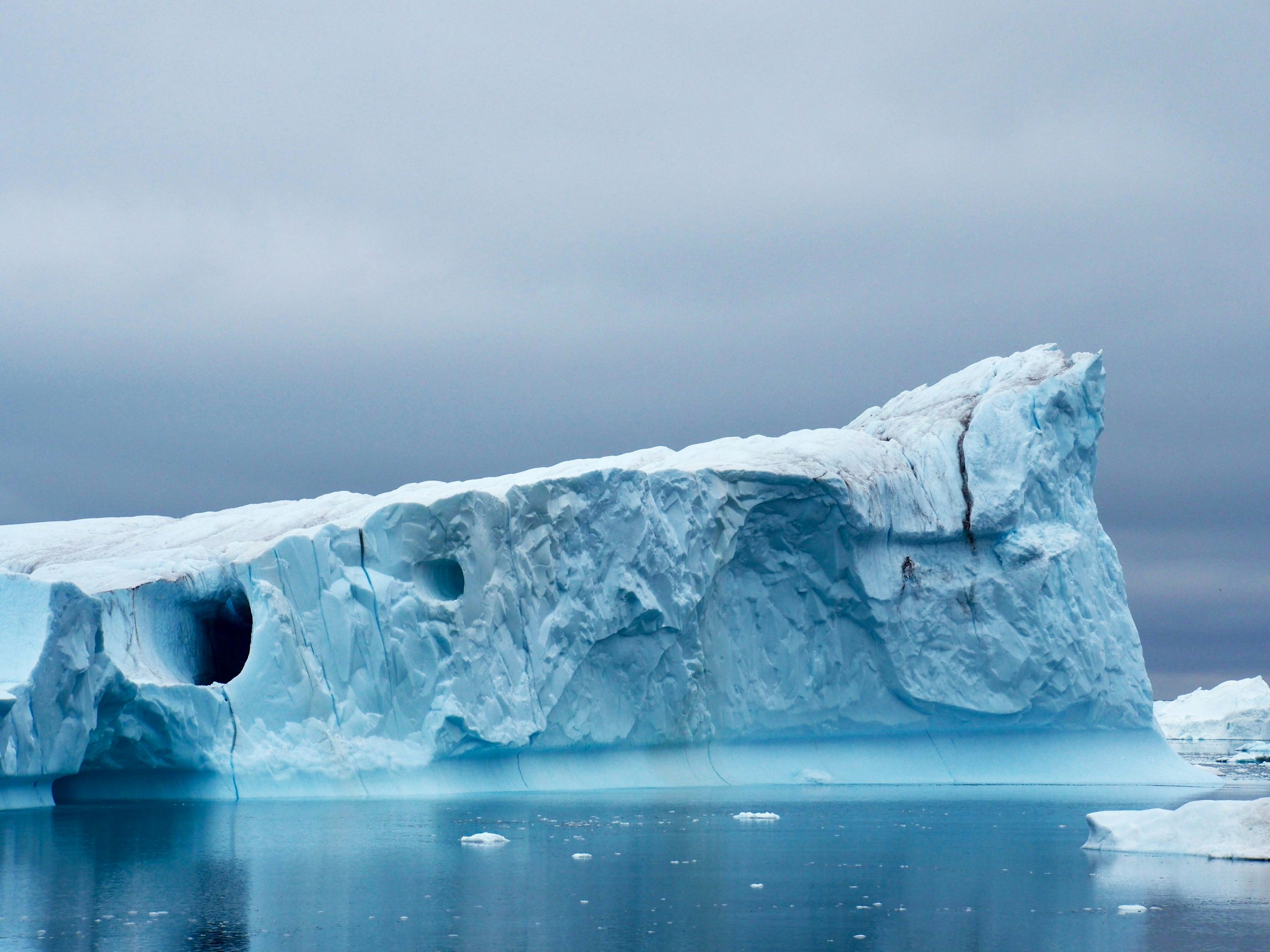 Increase in the extent and/or volume of frozen marine water.
|
Prolonged temperature decrease — Seasonal to multi-annual decreases in temperature compared with past averages.
|
|
Sea level fall
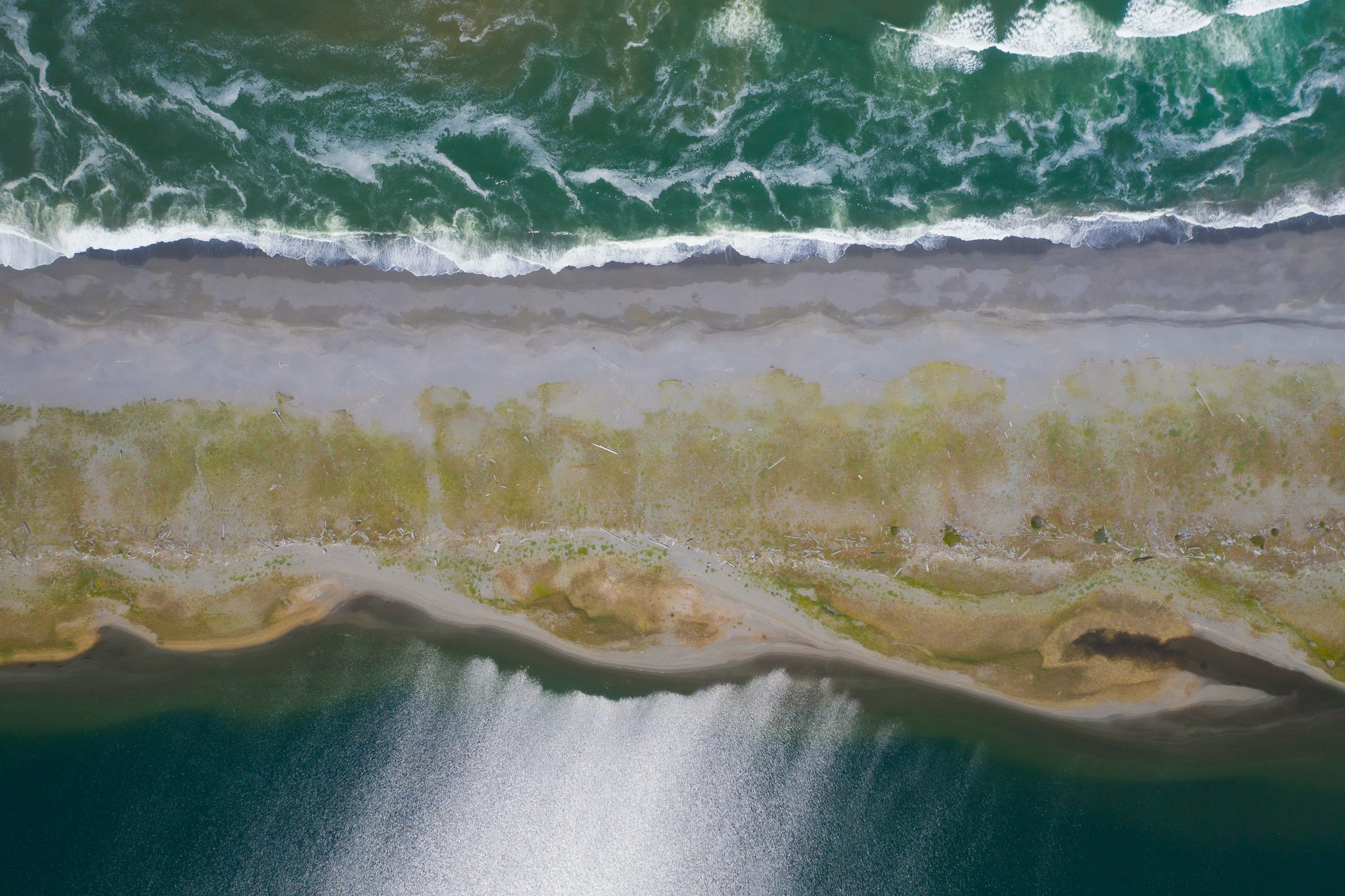 A decrease in the mean level of the oceans. Relative sea level occurs where there is a local increase in the level of the ocean relative to the land, which might be caused by ocean falling, the land rising, or both.
|
Ocean-atmosphere oscillations — Naturally occurring cycles affecting sea surface temperature and precipitation.
|
|
Sea level rise
 An increase in the mean level of the oceans. Relative sea level occurs where there is a local increase in the level of the ocean relative to the land, which might be caused by ocean rising, the land subsiding, or both. In areas with rapid land level uplift (e.g. seismically active areas), relative sea level can fall.
|
Melting ice sheets/glaciers — Loss in the extent and volume of frozen water floating on or within sea water.
Thermal expansion — Increase in linear dimensions of a solid or in volume of a fluid because of rise in temperature.
|
|
Sedimentation
 Deposition of sediment from flowing water (in channels or floodplains) or standing water (in wetlands, lakes, or oceans).
|
Dredging — Removing silt and other material from the bottom of bodies of water.
|
|
Snow accumulation
 Gradual gathering of snow over an area already covered in snow.
|
Snowfall — Where water vapour turns into solid ice crystals and falls as snow.
|
|
Snow melt
 Loss of snow cover due to heat.
|
Increased temperature — Increased amount of heat in a place.
|
|
Water depth decrease
 Decrease in the amount of water from an existing water body.
|
Abstraction — Removal of water from a water store.
Dam failure — The uncontrolled release of a water storage. The failure may consist of the collapse of the dam or some part of it, or excessive seepage or discharges.
Dam removal — Demolition/decommissioning of a dam enabling reinstatement of unconstrained water flow and typically reducing pooled water.
Deposition — Deposition is the laying down of sediment carried by wind, water, or ice. Sediment can be transported as pebbles, sand & mud, or as salts dissolved in water. Salts may later be deposited by organic activity (e.g. as sea-shells) or by evaporation.
Evaporation — Water changing from a liquid to a gas.
|
|
Water depth increase
 Increase in the amount of water within an existing water body.
|
Construction — Creation of infrastructure such as railways, roads, mines, buildings, agricultural farms, aquaculture farms or dams; includes barrages and marina development.
Dredging — Removing silt and other material from the bottom of bodies of water.
Flooding — The inundation of water over land that is generally dry.
Sea level fluctuation — Irregular rise and fall of sea level.
Snowmelt — Water produced by the melting of snow.
|
|
Water gain (extent)
 Increase in the extent of water from the bounds of an existing water body.
|
Aquaculture expansion — Increase in the area of farms used for rearing of fish, shellfish, and some aquatic plants to supplement the natural supply.
Excess precipitation — Above-normal increase in the amount of rain or snowfall.
Flooding — The inundation of water over land that is generally dry.
Storm surge — An abnormal rise in sea level over and above the normal (astronomical) tide levels.
Wetland restoration and/or construction — The process of assisting the recovery of wetlands that has been degraded, damaged or destroyed.
|
|
Water loss (extent)
 Decrease in the extent of water from the bounds of an existing water body.
|
Aquaculture loss — Loss of areas farmed for aquatic organisms, including fish, molluscs, crustaceans and aquatic plants.
Drying — Prolonged shortage of water that dries out water-dependent environments.
Land reclamation — The restoration of productivity or use to lands that have been degraded by past human activities or have been impaired by natural phenomena.
Reduced snowfall — Reduced precipitation falling as snow.
Wetland drainage — Removal or exclusion of water from a wetland by pumping, excavation of channels, planting fast growing non-wetland trees or plants in a wetland area, abstraction of water from a river entering a wetland, channeling, reclamation and drainage itself.
|
|
Water movement change
 A change in the direction of flow of a body of water that might be accompanied by a change in velocity, turbulence and/or discharge.
|
— |
|
Water quality change
 Change in the physical, chemical and biological characteristics of water and the measure of its condition relative to the requirements for one or more biotic species and/or to any human need or purpose.
|
Fracking — Fracking is the process of drilling down into the earth before a high-pressure water mixture is directed at the rock to release the gas inside.
Nutrification — The process by which water bodies such as estuaries or embayments receive excess nutrients from a variety of sources (primarily agriculture, aquaculture and sewage), setting off a cascade of environmental changes.
Pollution — Introduction of harmful materials known as pollutants into the environment. Pollutants can be natural, such as volcanic ash. They can also be created by human activity, such as trash or runoff from industrial sources (e.g., factories, farms, etc.) and contaminated with substances including fertilizers and pesticides/herbicides. Pollutants damage the quality of air, water, and land.
|
|
Wave action
 Disturbance on the surface of a liquid body, as the sea or a lake, in the form of a moving ridge or swell that impacts on the structure of land elements.
|
— |